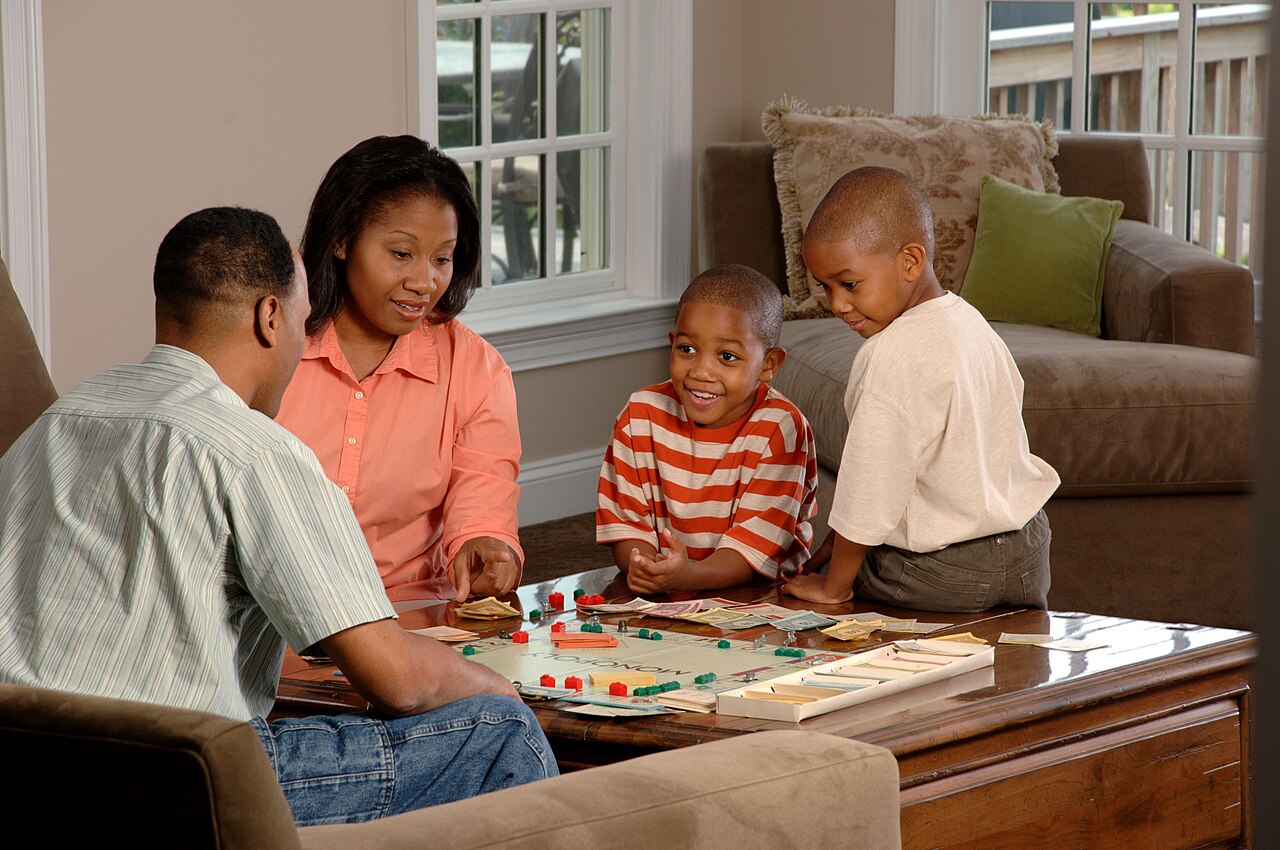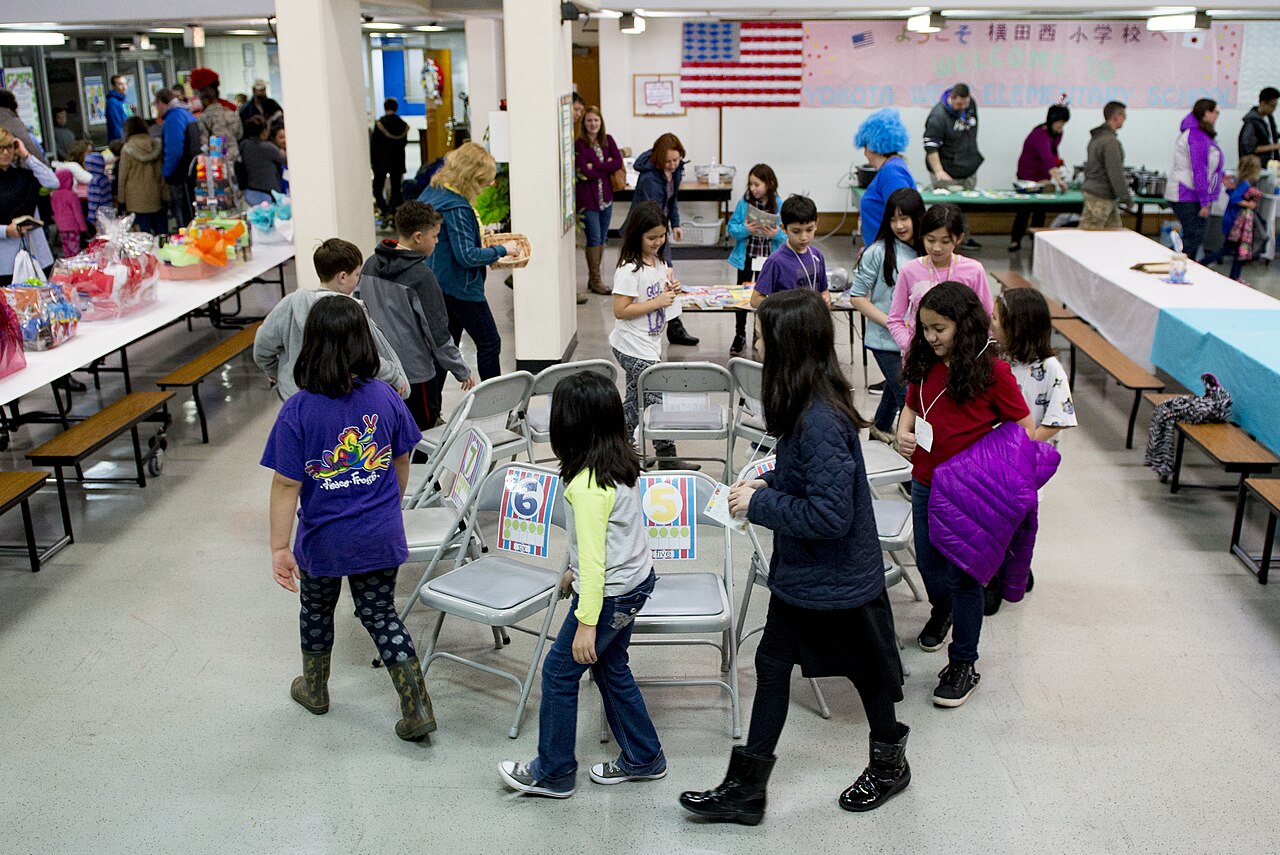
A birthday party needs three or four games, not twelve — pick ones that match the ages in the room and the gaps in your schedule. All of these run on household materials and are labeled team or individual.
What makes a birthday game actually work
Run each idea past five checks:
- Rules you can say in one breath. If explaining takes longer than playing, choose something else.
- No elimination for the youngest guests. A child who is out needs a new plan, and you are the plan.
- One team game, one individual game. Not everyone wants to be watched.
- A job for the odd age out. Mixed crowds work better when the little one hands out slips; our family game night guide has more mixed-generation formats.
- A space check. Cords, breakables, slick floors and small pieces all become problems once a room gets excited.
Games for younger kids
Short rounds, no losers, an adult in the middle of it.
- Freeze dance, birthday edition. Kids dance to a playlist and freeze in a called pose — a candle, a wrapped present — when the music cuts. Whole group, individual, nobody eliminated; preschool and early elementary, indoors, about two minutes to clear floor. Bare feet or grip socks on slick floors.
- Balloon keep-up. Small groups tap a balloon and count consecutive hits, then chase their own record. Cooperative teams of three to five, preschoolers with help; indoors, one balloon each, seconds to set up. Supervise closely — torn balloon pieces are a choking hazard for under-threes.
- Painter's-tape balance line. Tape a straight "bridge" on the floor; kids cross heel-to-toe one at a time while the rest count steps. Individual turns, preschool through early elementary; indoors, a hallway-length run, a few minutes of taping. Press edges flat so nobody trips.
- Sock toss. Rolled socks fly at a laundry basket from a marked line; teams tally makes in one round. Teams of two to four, early elementary and up; indoors or outdoors, minutes with socks you already own. Everyone throws from behind the line.
Games for older kids and teens
Competition lands well here, as long as rounds stay short.
- Birthday charades relay. Teammates act out slips about the guest of honor — hobbies, favorite foods, catchphrases — while their team guesses against a timer. Teams of four or more, grade-school through teen; indoors, roughly ten minutes to write slips, one clear performing spot away from breakables.
- Cup stack sprint. Players build a cup pyramid, then collapse it into a single column; first done wins the heat. Individual heats or a team relay, older kids and teens; indoors at a table, near-zero setup with paper cups. Lightweight cups only, never glass.
- Mystery bag. A hand goes into a pillowcase and identifies a household object by feel, whispering the guess to the host. Individual turns, early elementary through teen; seated indoors, five minutes to collect odd shapes. Leave out sharp items and anything a toddler could swallow.
- Paper-list scavenger hunt. Teams gather listed items — something blue, something round, a spoon — and lay them out for checking. Teams of three to five, older kids and teens; indoors, ten minutes of list-writing, the whole room as territory. Walking only, stairs off-limits.
Games adults will join
Adults play when a game demands neither silliness nor athleticism.
- Guest-of-honor trivia. The host reads questions gathered from family beforehand — first job, worst haircut, go-to order — and guests write answers. Solo or pairs, adults and teens; seated indoors, ten minutes of prep with scrap paper. More seated icebreakers: party games for friends and groups.
- Two truths and a birthday lie. Each guest offers three claims about the birthday person; the room votes on the fake. Whole group, adults; seated indoors or outdoors, no setup beyond paper. Ideal while arrivals trickle in.
- Guess the jar. Fill a jar with dried beans; guests drop a written estimate in a bowl, and the closest guess takes it home. Individual, adults and older kids; a side table indoors, minutes to fill. Park it well above toddler reach — small pieces, choking risk.
- Human knot. A standing circle grabs hands with two non-neighbors, then untangles without releasing. Cooperative, typically six to ten adults; indoors or outdoors, no materials, floor space for the circle. Shoulders get twisted, so let anyone opt out and coach instead.
Timing games around the party schedule
Keep two zero-prep games in your pocket for the gaps: the ten minutes before cake, the wait for a late pickup. Run the jar all afternoon so guests have something to do without you.
| Gap in the schedule | Game to run | Why |
| --- | --- | --- |
| Arrivals | Guess the jar | Runs itself, no hosting |
| Before cake | Freeze dance or sock toss | Fast setup, clean stopping point |
| After presents | Trivia or charades | Easy to pause for photos |
| Waiting on pickup | Mystery bag | Quiet, seated, one adult |
If weather pushes everyone inside, shrink the footprint rather than the fun — indoor games for small spaces are built for that. Announce the last round before you start it; clear endings are what keep games from dragging.