
Balloon Keep-Up
Teams or the whole room work together to stop balloons touching the floor.
- Players
- 4–10
- Ages
- All ages
- Setting
- Indoors
- Setup
- Under 5 minutes
Kids aged roughly 6–12 hit the sweet spot for DIY games: old enough to learn real rules, young enough to find a paper football genuinely exciting. These games let them organize, referee and invent – with adults in supporting roles rather than running the show.

How many players?
What are you planning?
Game type
Where will you play?
Who will be playing?
Setup time
59 games match your picks
Teams or the whole room work together to stop balloons touching the floor.

Act out a word or phrase without speaking while your team guesses before the timer runs out.
Draw lines between dots to complete squares; the player who claims the most boxes wins.
An egg carton and dried beans become the classic sow-and-capture counting game.

A full quiz evening with question rounds, team answer sheets and a homemade scoreboard.
Draw custom bingo grids with words, pictures or party-specific squares and play to a line or full house.

A timed course of cushions, tape lines, crawls and targets built from what the room or garden offers.
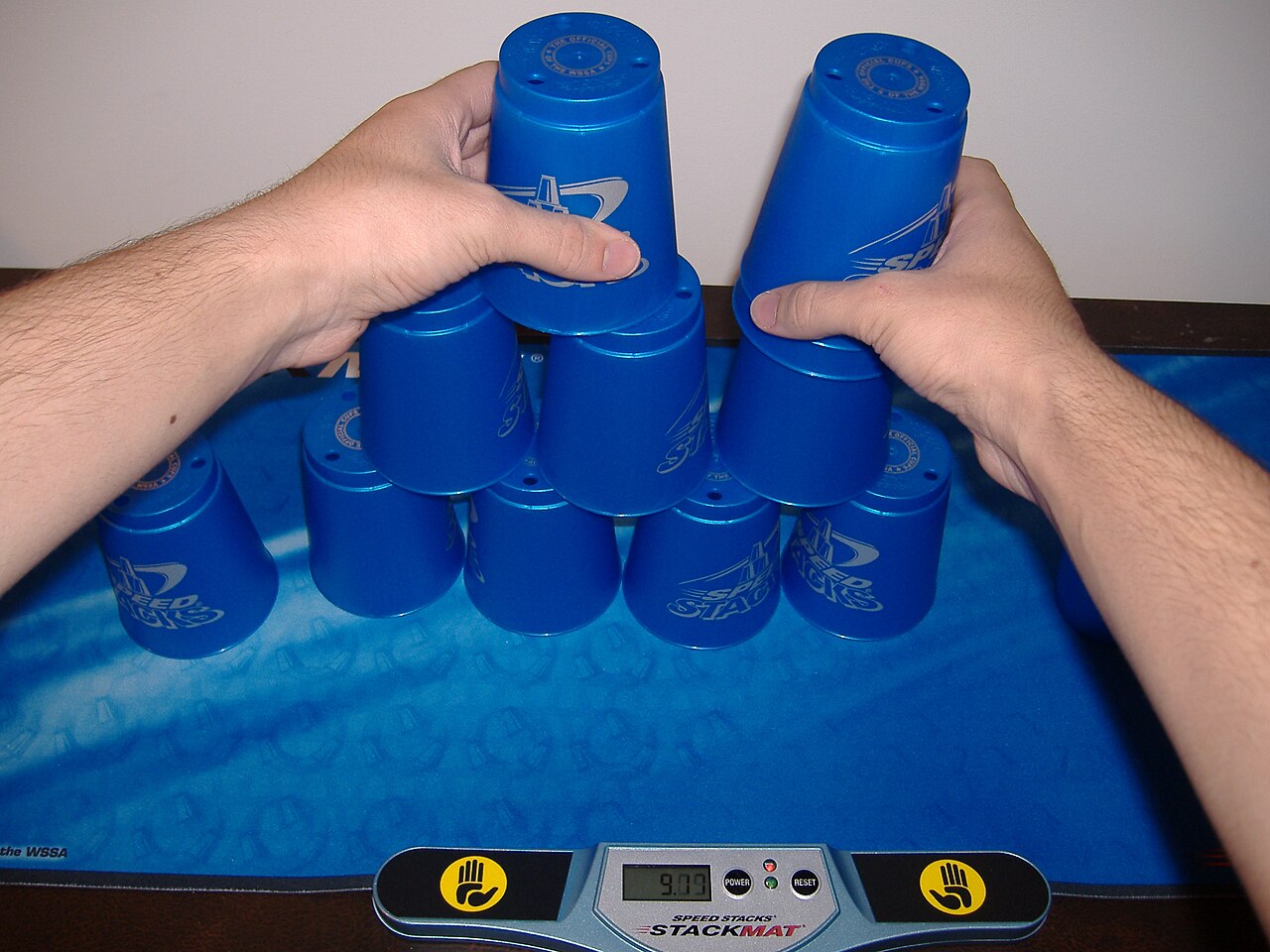
Build and collapse cup pyramids against a sixty-second clock.
Flick a folded paper triangle across a table to score touchdowns through finger goalposts.
Flick a folded paper triangle across a table to score touchdowns through finger goalposts.
A timed course of cushions, tape lines, crawls and targets built from what the room or garden offers.
Draw custom bingo grids with words, pictures or party-specific squares and play to a line or full house.
Pass cards fast to collect four of a kind, then grab a spoon before the table notices.
Six-to-eight-year-olds still want short rules and fast turns, but they can handle simple scoring and basic strategy. Nine-to-twelve-year-olds enjoy layered rules, bluffing, team tactics and games they can customize with their own variations.
Use that growth: let older kids teach games to younger ones, tweak rules between rounds, and keep score themselves. Ownership keeps kids playing far longer than novelty.