
Balloon Keep-Up
Teams or the whole room work together to stop balloons touching the floor.
- Players
- 4–10
- Ages
- All ages
- Setting
- Indoors
- Setup
- Under 5 minutes
The best game depends on more than the number of players. Explore activities for toddlers, young children, teens, adults and groups with mixed ages.
Age ranges here are editorial guidance, not guarantees: toddlers are roughly 1–3, preschool 3–5, kids 6–12, teens 13–17, adults 18+. Actual ability, complexity and supervision matter more than the number.


Simple activities, basic movement, matching, colors and supervised play.
Explore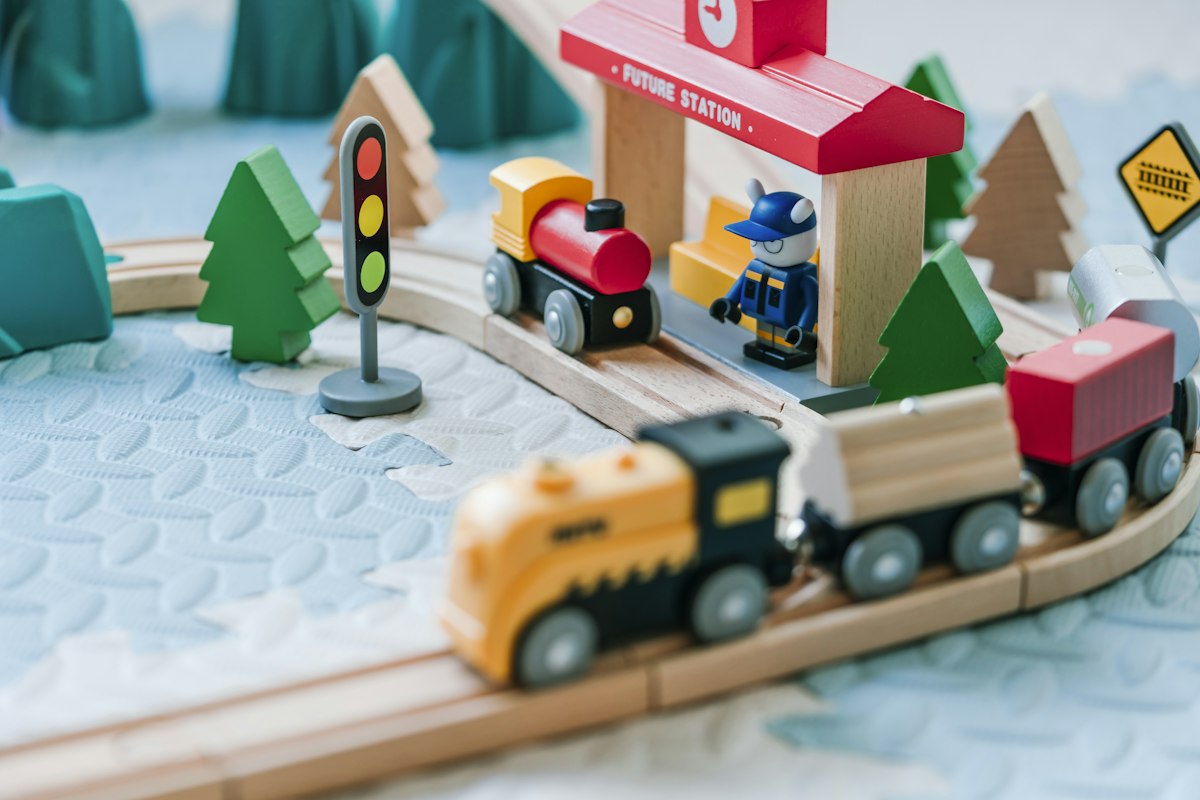
Matching, sorting, counting, movement, colors and easy group activities.
Explore
Creative games, family play, school activities, challenges and indoor/outdoor games.
Explore
Social games, creative challenges, team activities and competitive games.
Explore
Party games, trivia, strategy, team activities and friendly competitions.
Explore
Activities that can be adapted for children, teens and adults.
ExploreHow many players?
What are you planning?
Game type
Where will you play?
Who will be playing?
Setup time
62 games match your picks
Teams or the whole room work together to stop balloons touching the floor.

Act out a word or phrase without speaking while your team guesses before the timer runs out.

Draw lines between dots to complete squares; the player who claims the most boxes wins.
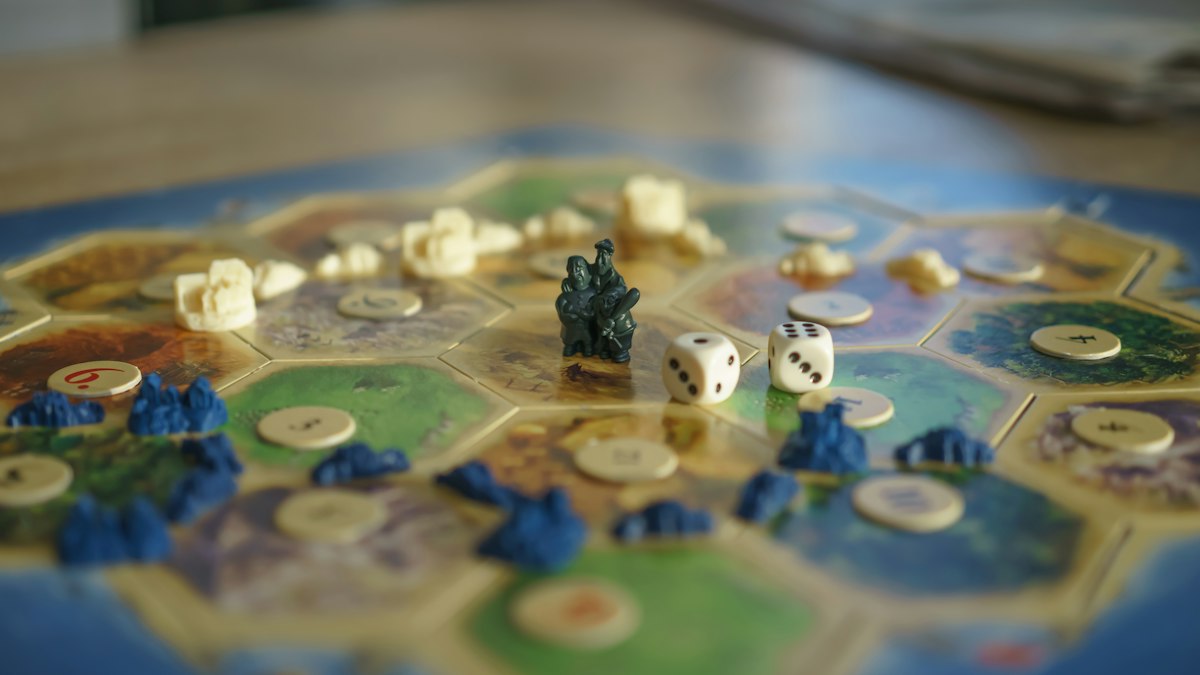
An egg carton and dried beans become the classic sow-and-capture counting game.

A full quiz evening with question rounds, team answer sheets and a homemade scoreboard.
Draw custom bingo grids with words, pictures or party-specific squares and play to a line or full house.

A timed course of cushions, tape lines, crawls and targets built from what the room or garden offers.
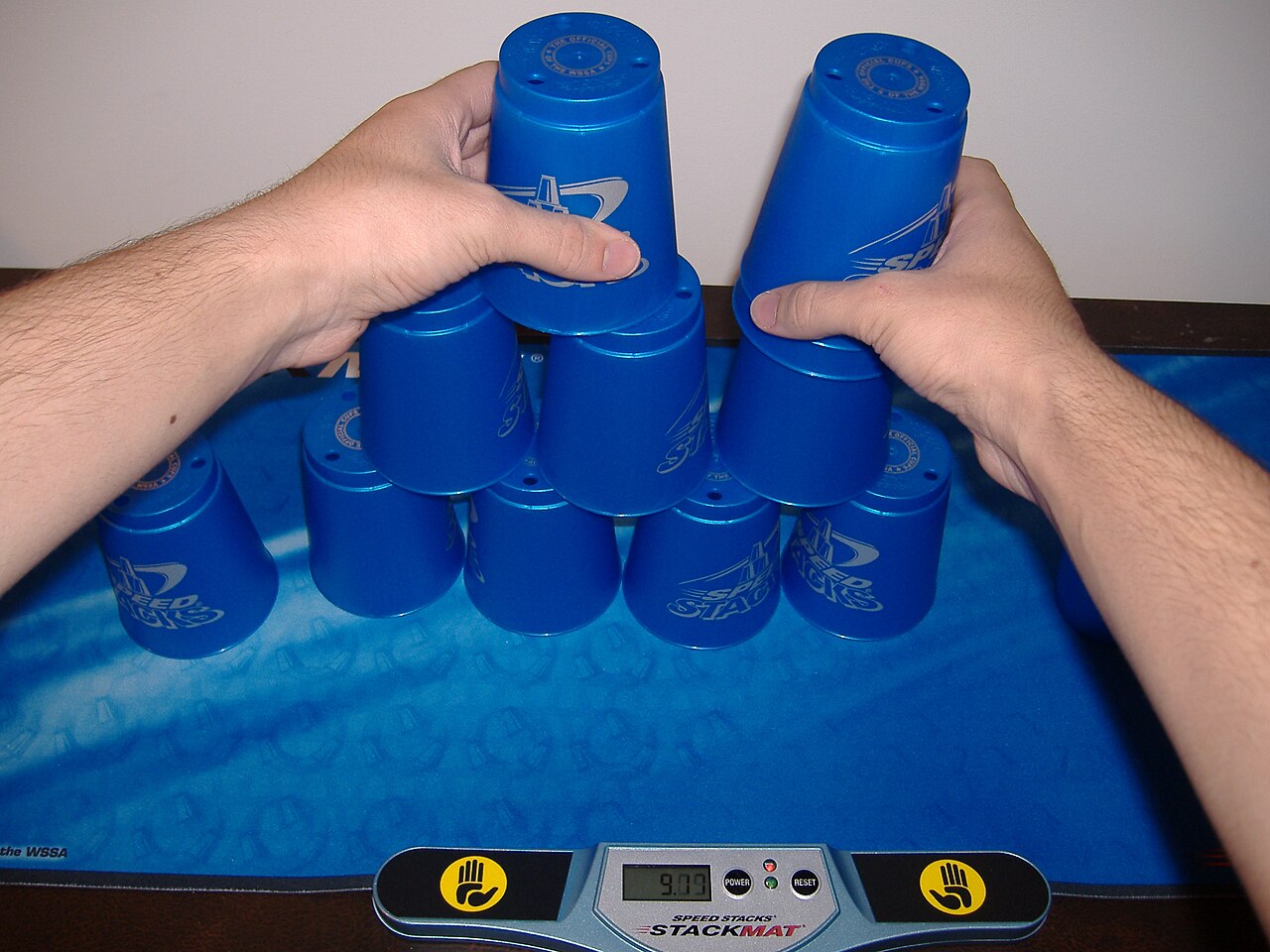
Build and collapse cup pyramids against a sixty-second clock.
Flick a folded paper triangle across a table to score touchdowns through finger goalposts.
Rule complexity, reading and counting demands, attention span, physical ability and how much social negotiation a game expects all shift with age. A preschooler thrives on one-step instructions; a teenager wants real decisions and social stakes.
For toddlers and young children, look closely at materials before play. Small parts, balloons, sharp tools and running games all carry real risks at this age, and every game for this group assumes an adult is present and watching. No game is automatically safe for every child – match the activity to the actual children in front of you.
Family and holiday gatherings rarely have a single age group. The most reliable fixes are adapting difficulty (easier questions or shorter distances for younger players), composing teams that pair older and younger members, adjusting playing distance or time limits, and softening scoring so the game stays close.
Cooperative games are the simplest answer of all – when the group plays against the game itself, age gaps stop mattering.
Call a color; little ones race to touch something that color before the next call.

Follow commands only when they start with "Simon says" — one slip and you are out.
Flick a folded paper triangle across a table to score touchdowns through finger goalposts.

Share three statements about yourself; the group votes on which one is the lie.
Pick an age group above, or use the finder for mixed-age groups and specific occasions.