
Balloon Keep-Up
Teams or the whole room work together to stop balloons touching the floor.
- Players
- 4–10
- Ages
- All ages
- Setting
- Indoors
- Setup
- Under 5 minutes
Some games are best played one-on-one, while others become more enjoyable with a whole group. Browse DIY games by player count and find activities that suit your group.
Player count changes everything about how a game feels. Two players want balance and quick turns; fifteen players need teams and structure. Start with the number you actually have.

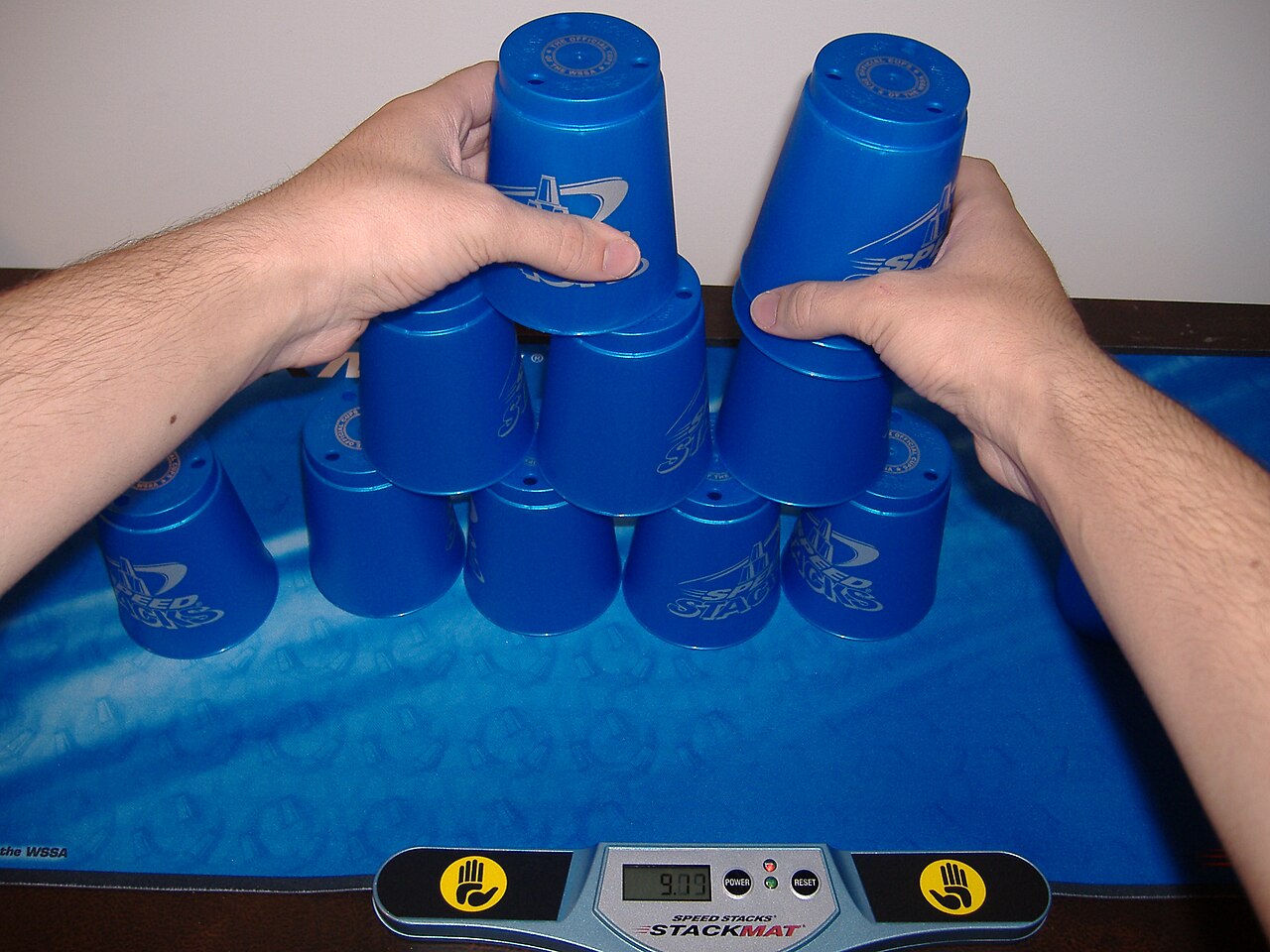
Solo activities, personal challenges and games that can be played independently.
Explore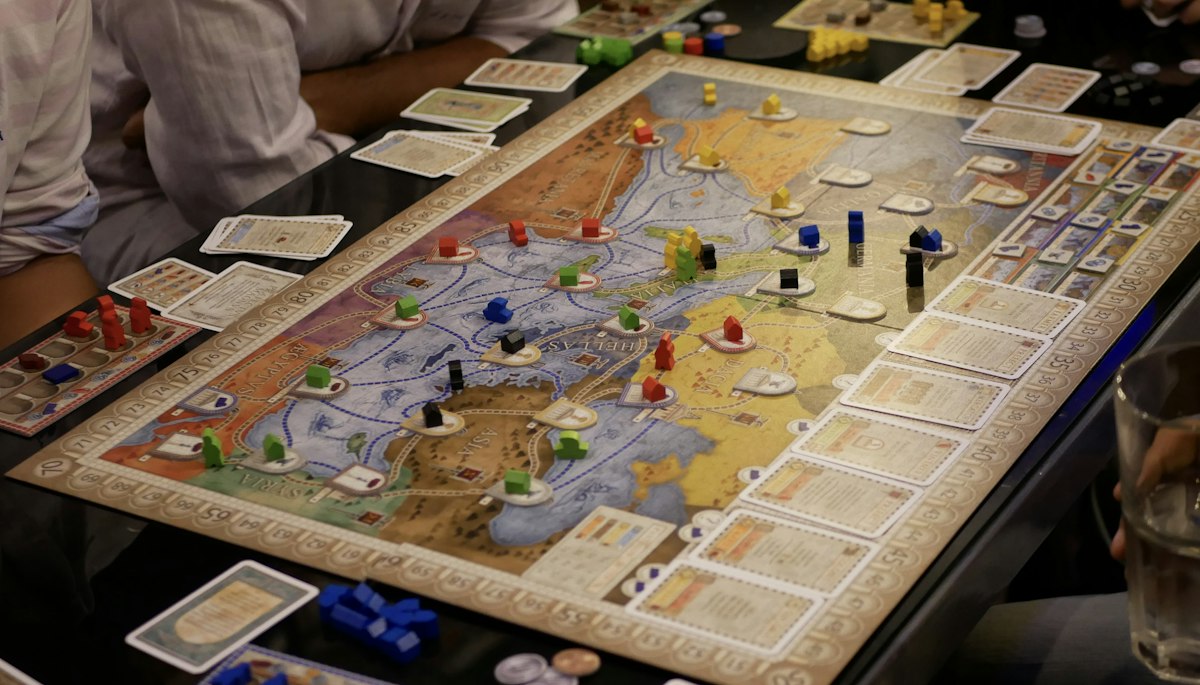
Head-to-head challenges, guessing games and simple activities for two people.
Explore
Small-group games where everyone can participate without needing a large space.
Explore
Group activities that work well for families, friends and small parties.
Explore
Games that can involve larger groups through teams, rounds or shared challenges.
Explore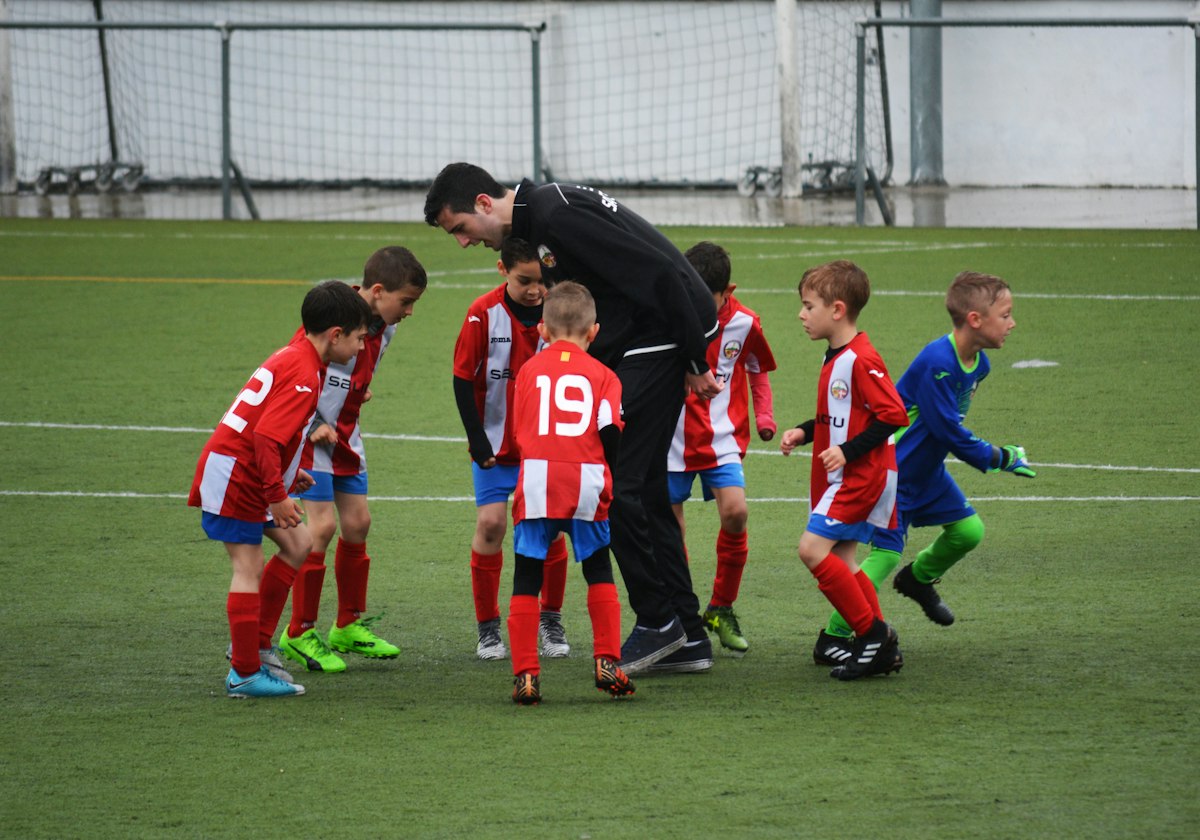
Large-group activities designed for events, classrooms and organized gatherings.
ExploreHow many players?
What are you planning?
Game type
Where will you play?
Who will be playing?
Setup time
Materials
Play style
62 games match your picks
Teams or the whole room work together to stop balloons touching the floor.

Act out a word or phrase without speaking while your team guesses before the timer runs out.

Draw lines between dots to complete squares; the player who claims the most boxes wins.
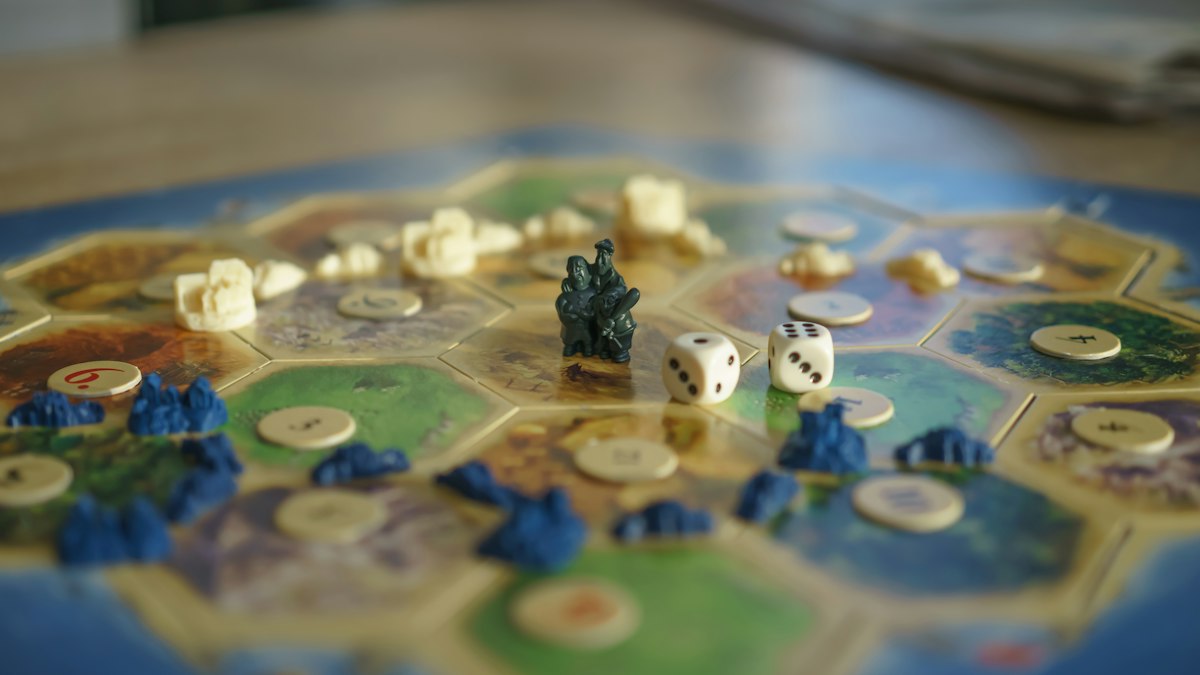
An egg carton and dried beans become the classic sow-and-capture counting game.

A full quiz evening with question rounds, team answer sheets and a homemade scoreboard.
Draw custom bingo grids with words, pictures or party-specific squares and play to a line or full house.

A timed course of cushions, tape lines, crawls and targets built from what the room or garden offers.
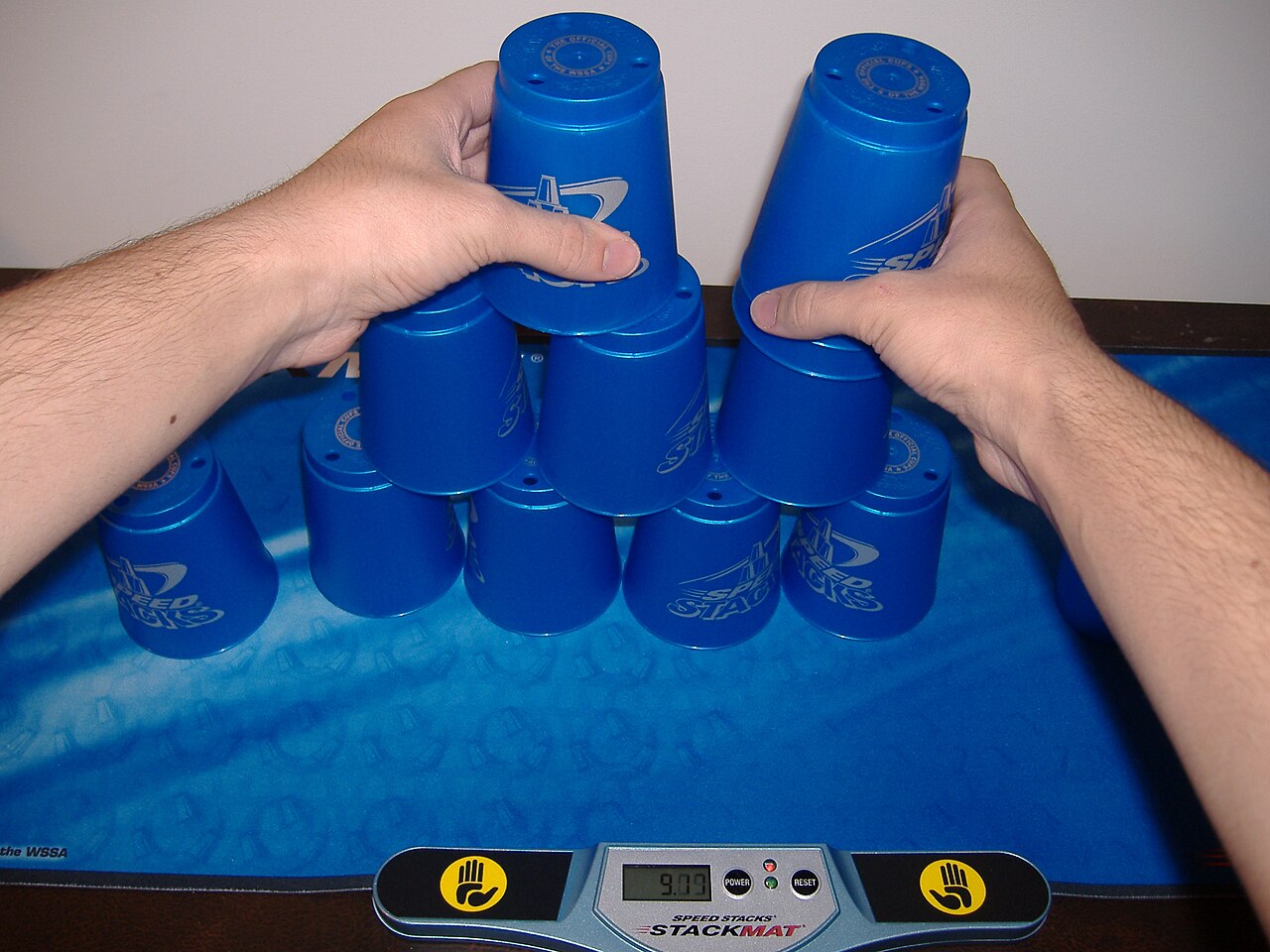
Build and collapse cup pyramids against a sixty-second clock.
Flick a folded paper triangle across a table to score touchdowns through finger goalposts.
Minimum, recommended and maximum player counts are not decoration. A guessing game that lists 4–12 players drags with three and dissolves into noise with twenty. When a game works better in teams, the headcount matters less than how evenly you can split it.
Larger groups add waiting time, so look for simultaneous rounds or team answers instead of single-player turns. Some games also lose their charm when too many people join – bluffing games get harder to read, and quiet observation games get lost. You can often adapt a game by playing in parallel circles or rotating a dealer, as long as you keep the basic rules intact.
Beat your own time building and collapsing cup pyramids — a one-person score chase.
Draw lines between dots to complete squares; the player who claims the most boxes wins.
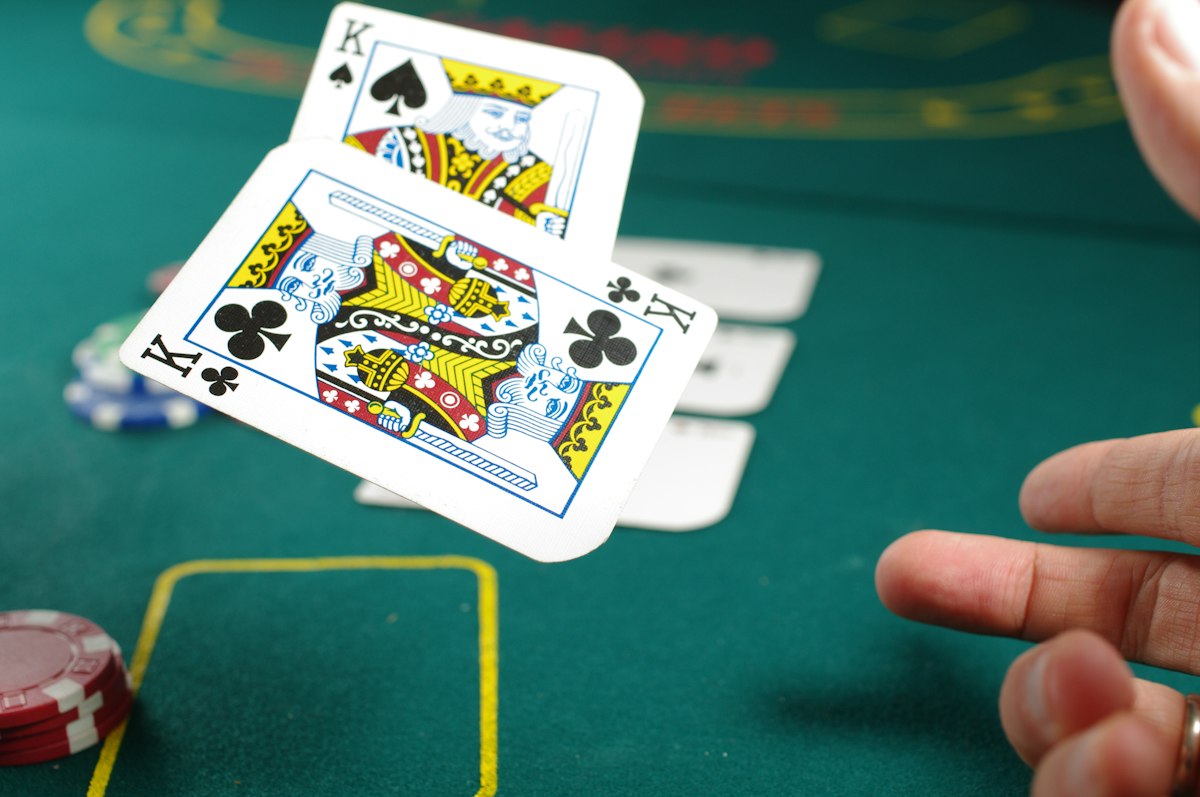
Flip homemade or standard cards face-down and find matching pairs from memory.
Act out a word or phrase without speaking while your team guesses before the timer runs out.
Choose your group size above, or use the finder to combine player count with occasion, age and setup time.