
Balloon Keep-Up
Teams or the whole room work together to stop balloons touching the floor.
- Players
- 4–10
- Ages
- All ages
- Setting
- Indoors
- Setup
- Under 5 minutes
Five to eight players is the classic family-and-friends size: enough for real teams, few enough that everyone knows each other’s moves. These games balance participation and momentum so the whole group stays in the action, not in a queue.

How many players?
What are you planning?
Game type
Where will you play?
Who will be playing?
Setup time
Materials
Play style
48 games match your picks
Teams or the whole room work together to stop balloons touching the floor.

Act out a word or phrase without speaking while your team guesses before the timer runs out.

A full quiz evening with question rounds, team answer sheets and a homemade scoreboard.

Draw custom bingo grids with words, pictures or party-specific squares and play to a line or full house.

A timed course of cushions, tape lines, crawls and targets built from what the room or garden offers.
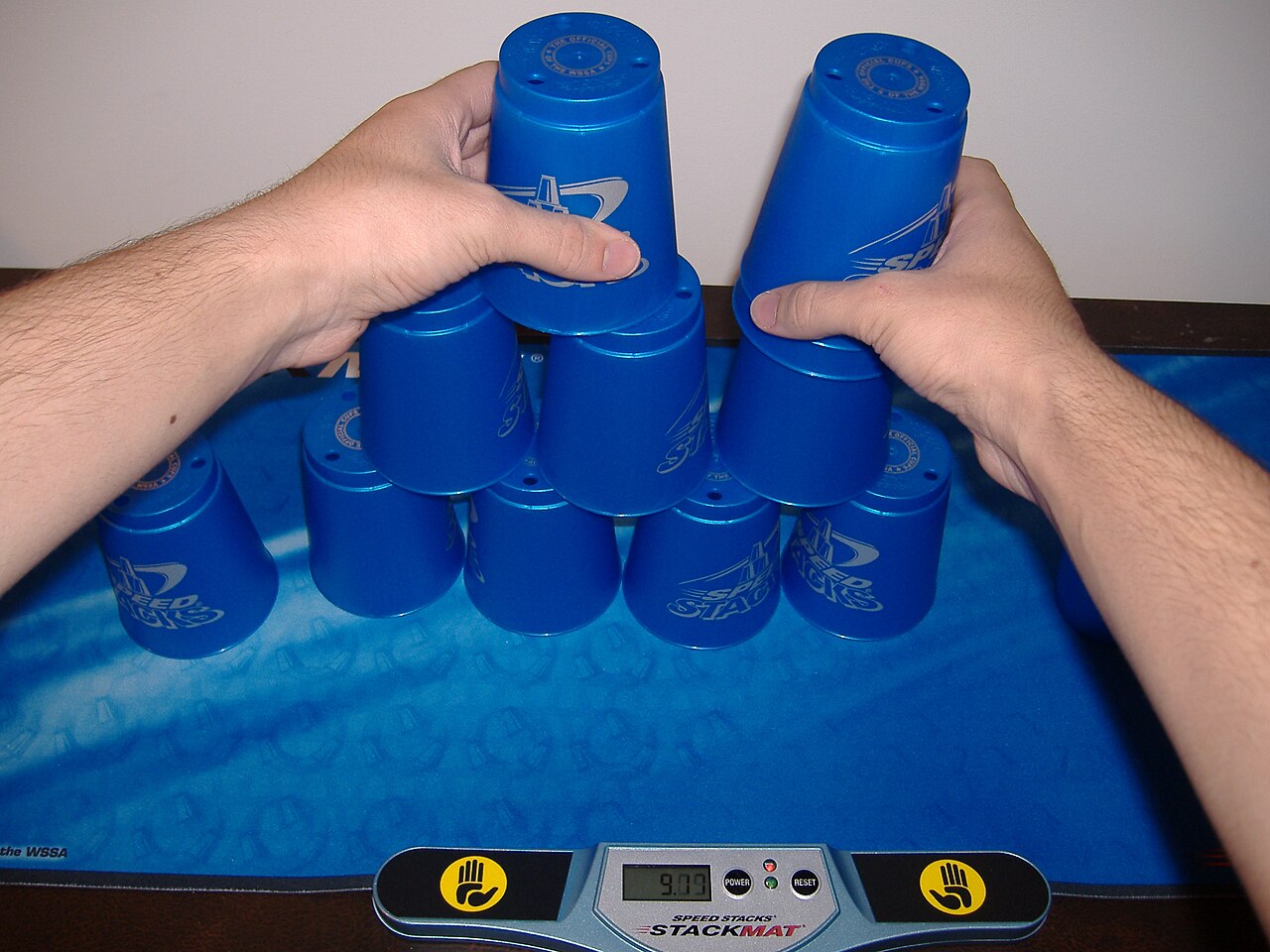
Build and collapse cup pyramids against a sixty-second clock.
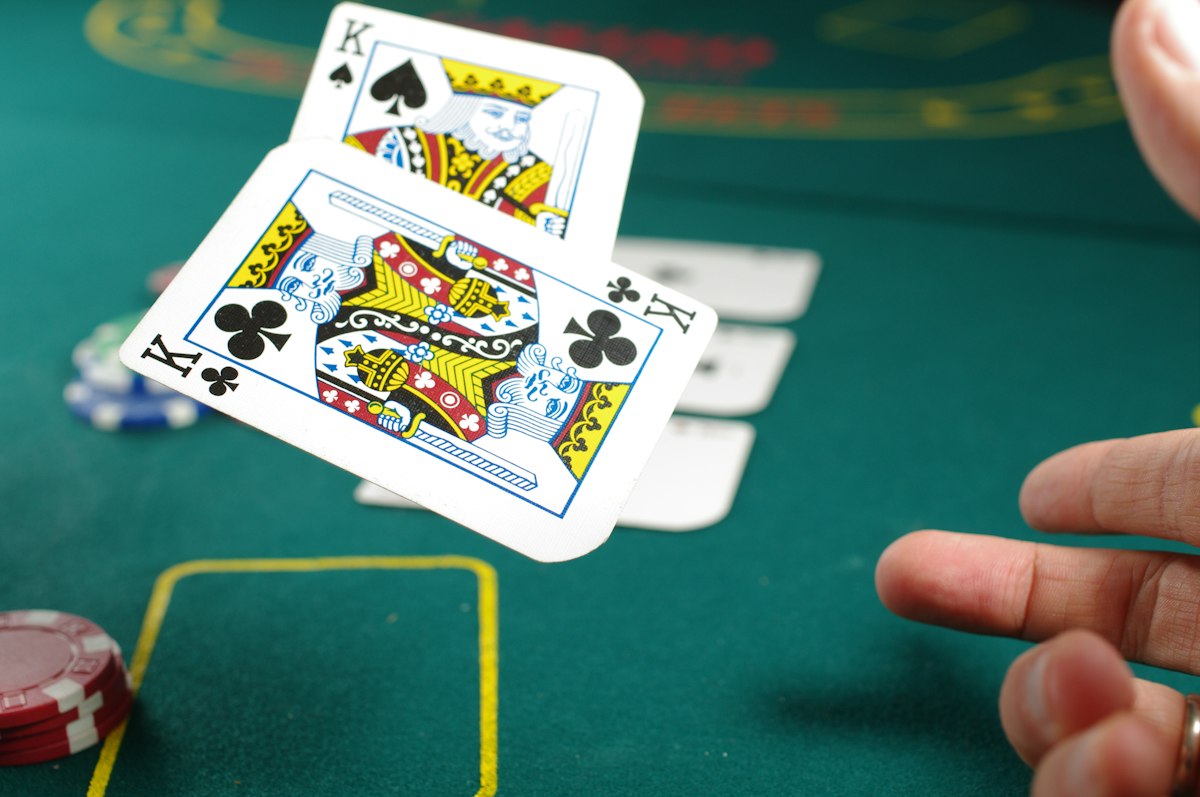
Pass cards fast to collect four of a kind, then grab a spoon before the table notices.
Teams race to find or photograph every item on a homemade list before time runs out.
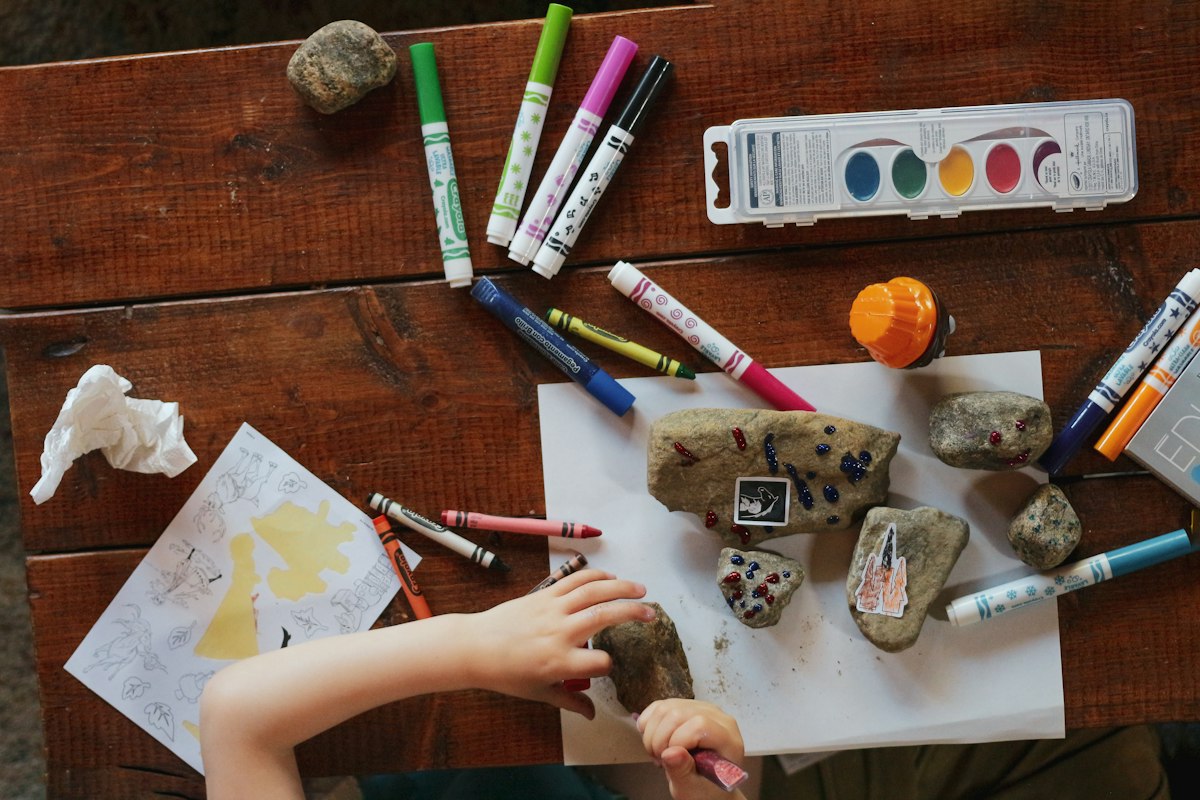
Alternating sentences and sketches pass around the circle until the final guess is revealed to laughs.
Act out a word or phrase without speaking while your team guesses before the timer runs out.
A full quiz evening with question rounds, team answer sheets and a homemade scoreboard.
Pass cards fast to collect four of a kind, then grab a spoon before the table notices.
A string, ribbon or sofa line becomes the net for a slow-motion volleyball match.
Split into teams whenever a game offers it – two teams of three or four means every turn still matters while halving the waits. Choose scoring that keeps everyone playing to the last round instead of elimination formats that sideline players early.
Keep turns tight. Games with thirty-second decisions, simultaneous answers or rotating single-action turns maintain energy; long individual turns drain a group this size fast.