Dots and Boxes
Draw lines between dots to complete squares; the player who claims the most boxes wins.
- Players
- 2
- Ages
- Kids+
- Setting
- Either
- Setup
- Under 5 minutes
Classroom games live under real constraints: thirty students, fixed desks, noise limits, ten free minutes, and materials limited to what a supply cupboard holds. These games are chosen for whole-class participation, quick resets and formats a teacher can run alone while keeping the room manageable.

How many players?
What are you planning?
Game type
Where will you play?
Who will be playing?
Setup time
21 games match your picks
Draw lines between dots to complete squares; the player who claims the most boxes wins.
Draw custom bingo grids with words, pictures or party-specific squares and play to a line or full house.
Build a story one sentence each — every sentence must start with the next letter of the alphabet.

Guide a blindfolded partner through a scattered-object minefield using only your voice.
Race to name an item in every category starting with the chosen letter — the "Stop the Bus" classic.

Call a color; little ones race to touch something that color before the next call.
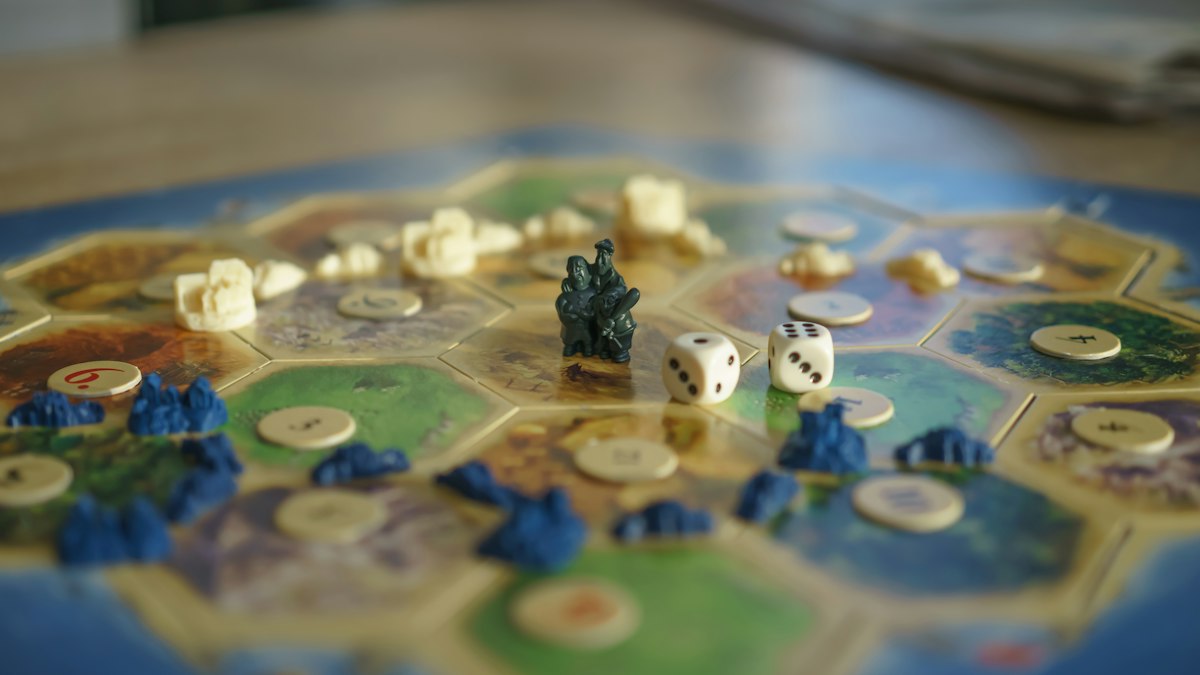
Draw a 100-square track with your own snakes, ladders and silly bonus squares, then race to the top.
Design a pencil maze for yourself to beat — the challenge doubles when the creator must solve it fast.

The circle-time chase classic: tap heads, say goose, run for your seat.
Draw custom bingo grids with words, pictures or party-specific squares and play to a line or full house.
Race to name an item in every category starting with the chosen letter — the "Stop the Bus" classic.
Follow commands only when they start with "Simon says" — one slip and you are out.

Guess the secret object with up to twenty yes-or-no questions.
Start with your constraints: room size, time window, acceptable noise and whether desks can move. Whole-class games with simultaneous participation – bingo-style formats, category races, thumbs-up guessing – beat games where twenty-eight students watch two perform.
Match the game to the moment in the day. Learning breaks work best with short, physical-but-contained games; end-of-week slots can carry longer team competitions. Consider reading ability and accessibility so every student can genuinely take part, and keep instructions to what you can explain in one breath.