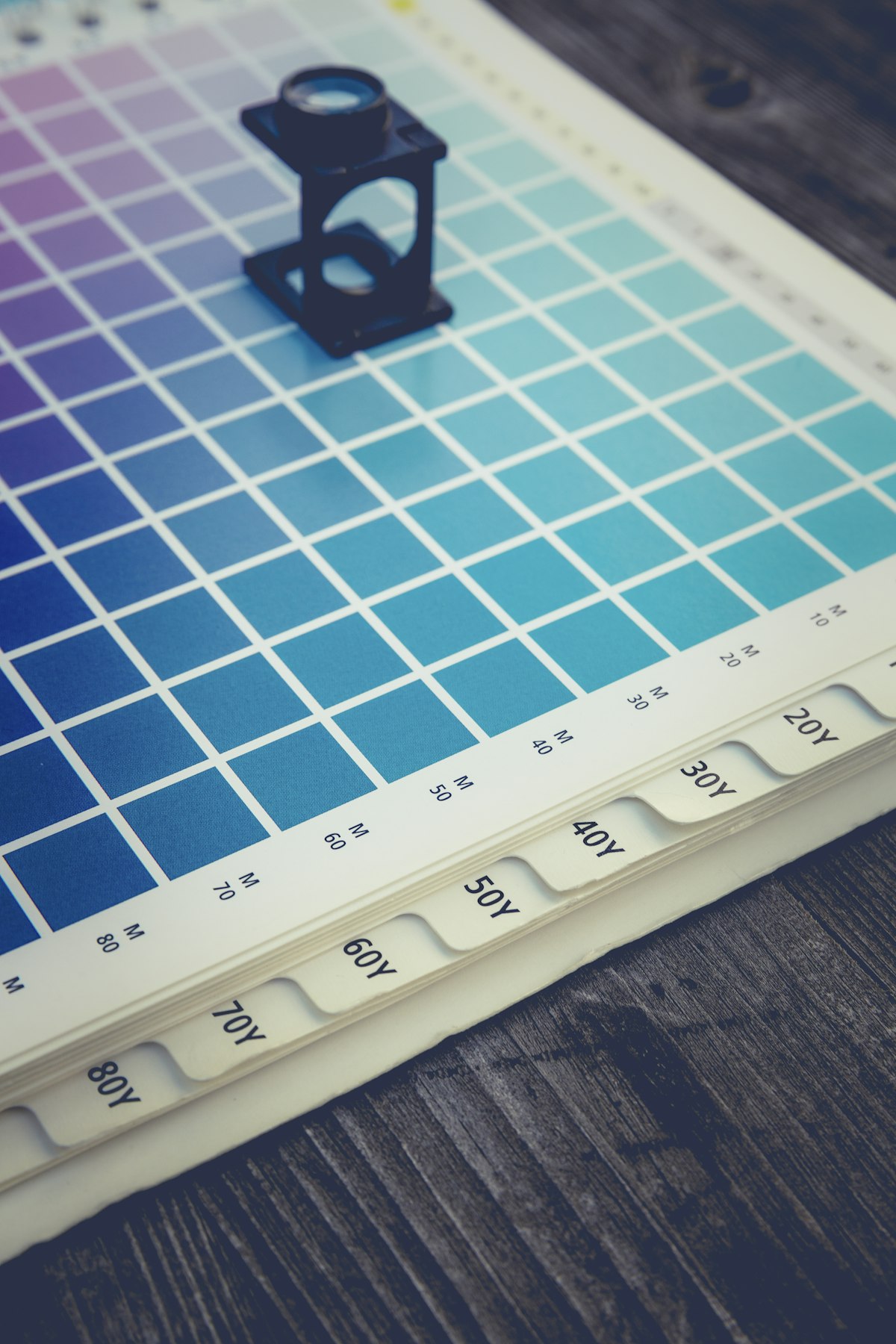
Dots and Boxes
Draw lines between dots to complete squares; the player who claims the most boxes wins.
- Players
- 2
- Ages
- Kids+
- Setting
- Either
- Setup
- Under 5 minutes
Paper is the original game console: a sheet becomes a pitch, a prompt, a puzzle or a playing piece. These games need paper, maybe a pen, and nothing else – perfect for restaurants, classrooms, waiting rooms and rainy afternoons.
How many players?
What are you planning?
Game type
Where will you play?
Who will be playing?
Setup time
Materials
Play style
17 games match your picks
Draw lines between dots to complete squares; the player who claims the most boxes wins.
Draw custom bingo grids with words, pictures or party-specific squares and play to a line or full house.
Flick a folded paper triangle across a table to score touchdowns through finger goalposts.
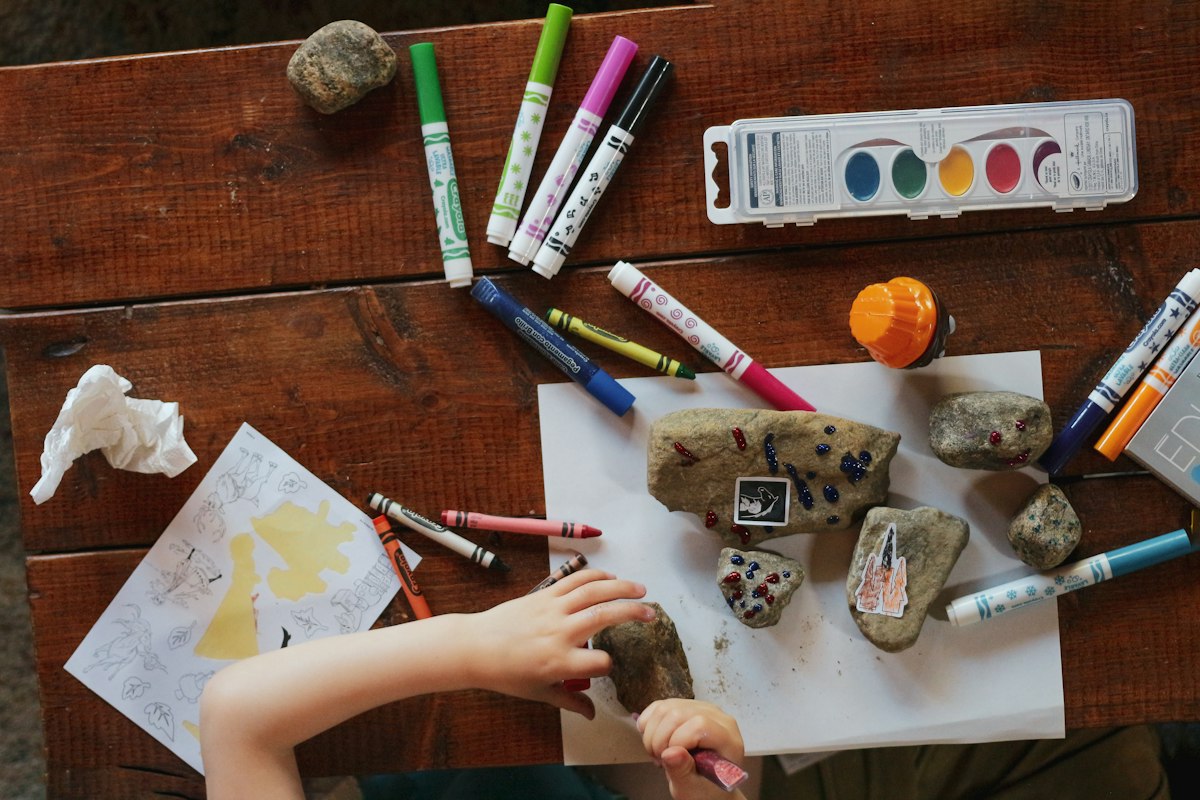
Alternating sentences and sketches pass around the circle until the final guess is revealed to laughs.

A name stuck on your forehead; guess your identity by asking the group yes-or-no questions.
Build a story one sentence each — every sentence must start with the next letter of the alphabet.
Race to name an item in every category starting with the chosen letter — the "Stop the Bus" classic.
Write a story one folded line at a time — each player sees only the line before theirs.
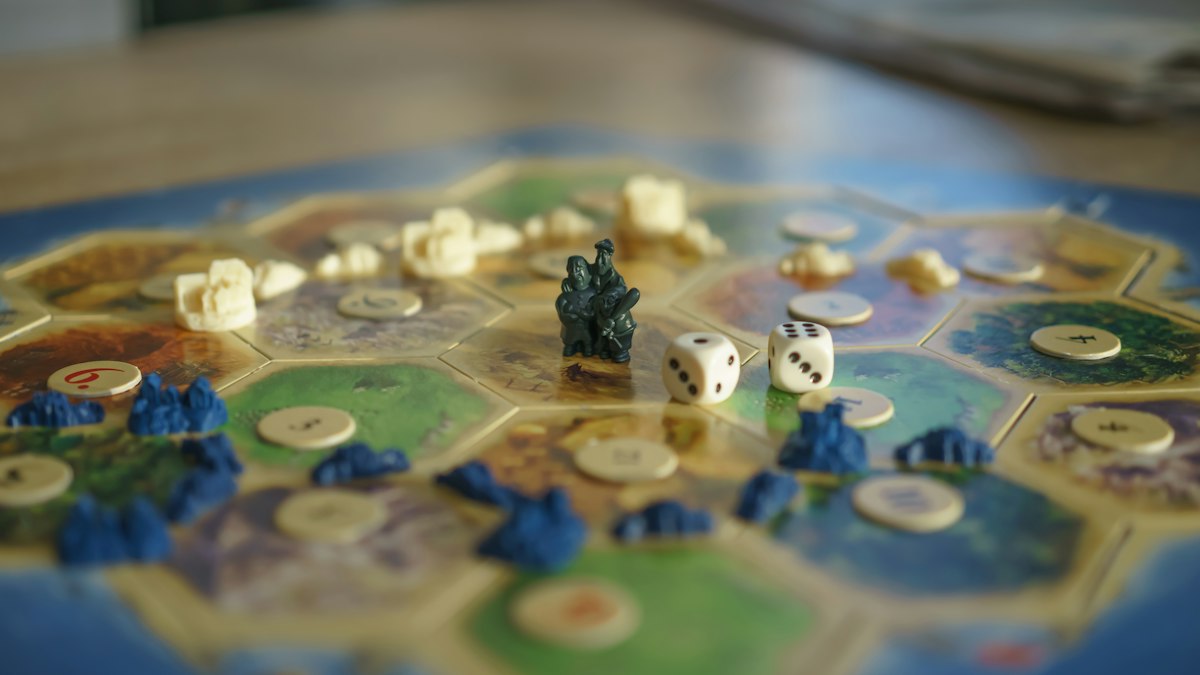
Draw a 100-square track with your own snakes, ladders and silly bonus squares, then race to the top.
Flick a folded paper triangle across a table to score touchdowns through finger goalposts.
Draw lines between dots to complete squares; the player who claims the most boxes wins.
The folded "cootie catcher" that answers questions with colors, numbers and hidden fortunes.
Write a story one folded line at a time — each player sees only the line before theirs.
Paper plays three roles. As a playing surface it hosts tic-tac-toe, dots and boxes and hand-drawn boards. As a game object it folds into footballs, airplanes and fortune tellers. As a prompt it carries words, stories and drawings through games like consequences and pass-the-drawing.
The practical upside: paper games are quiet, cheap and disposable. The honest limit is skill-based folding – the first paper football flies badly, and that is half the fun.