
Balloon Keep-Up
Teams or the whole room work together to stop balloons touching the floor.
- Players
- 4–10
- Ages
- All ages
- Setting
- Indoors
- Setup
- Under 5 minutes
Solo games succeed on replayability: a personal best to beat, a puzzle that changes each attempt, a skill that visibly improves. These activities run on household materials and honest self-scoring – no partner required, no screen involved.
How many players?
What are you planning?
Game type
Where will you play?
Who will be playing?
Setup time
Materials
Play style
62 games match your picks
Teams or the whole room work together to stop balloons touching the floor.

Act out a word or phrase without speaking while your team guesses before the timer runs out.
Draw lines between dots to complete squares; the player who claims the most boxes wins.
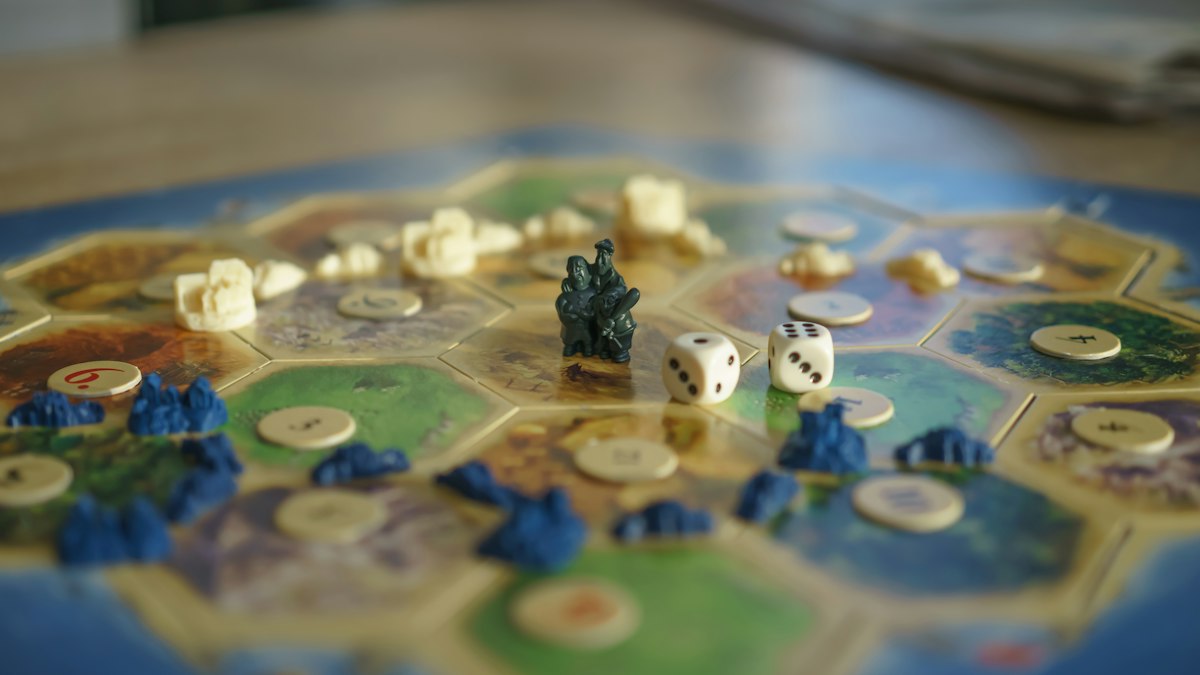
An egg carton and dried beans become the classic sow-and-capture counting game.

A full quiz evening with question rounds, team answer sheets and a homemade scoreboard.
Draw custom bingo grids with words, pictures or party-specific squares and play to a line or full house.

A timed course of cushions, tape lines, crawls and targets built from what the room or garden offers.
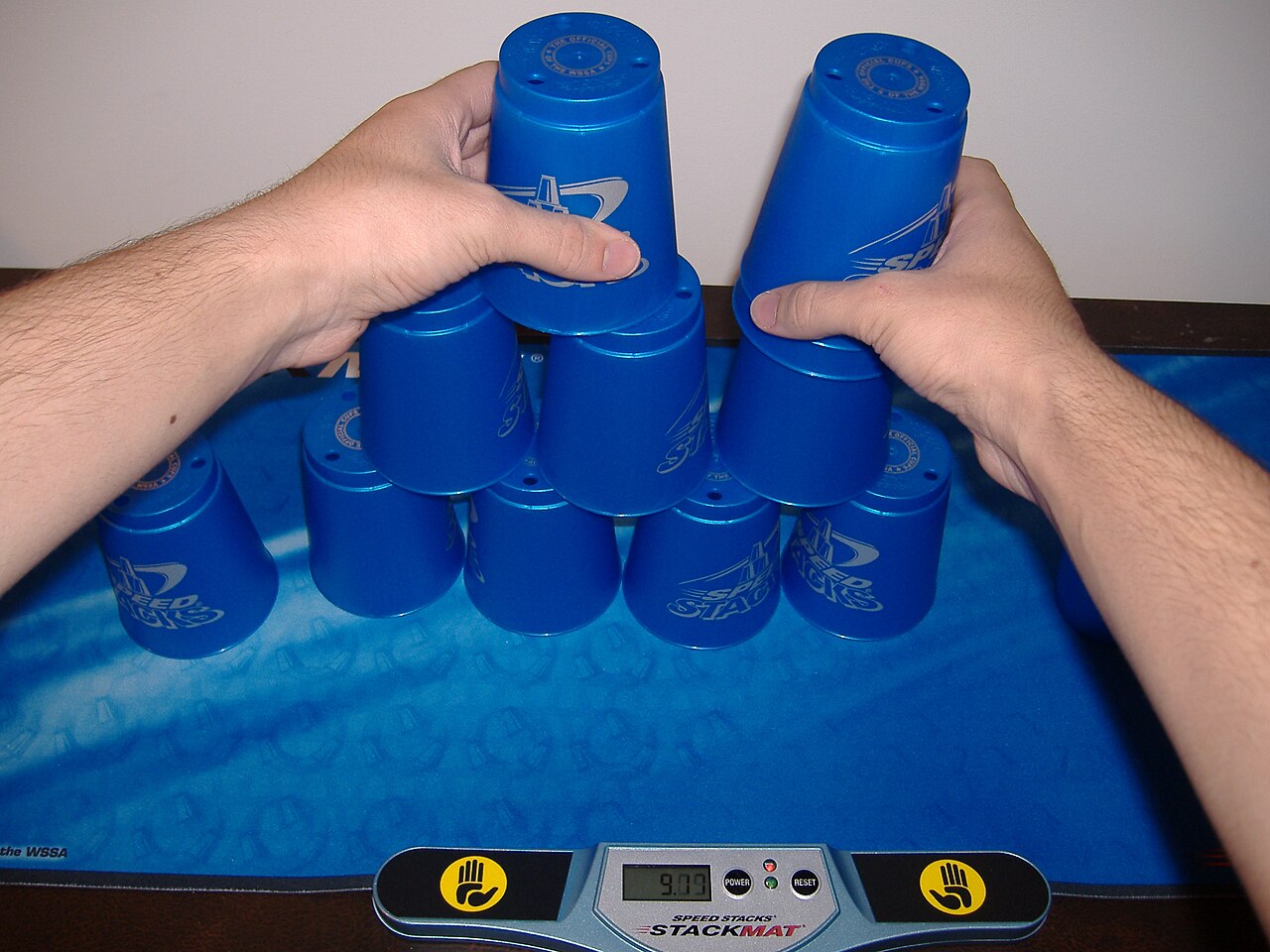
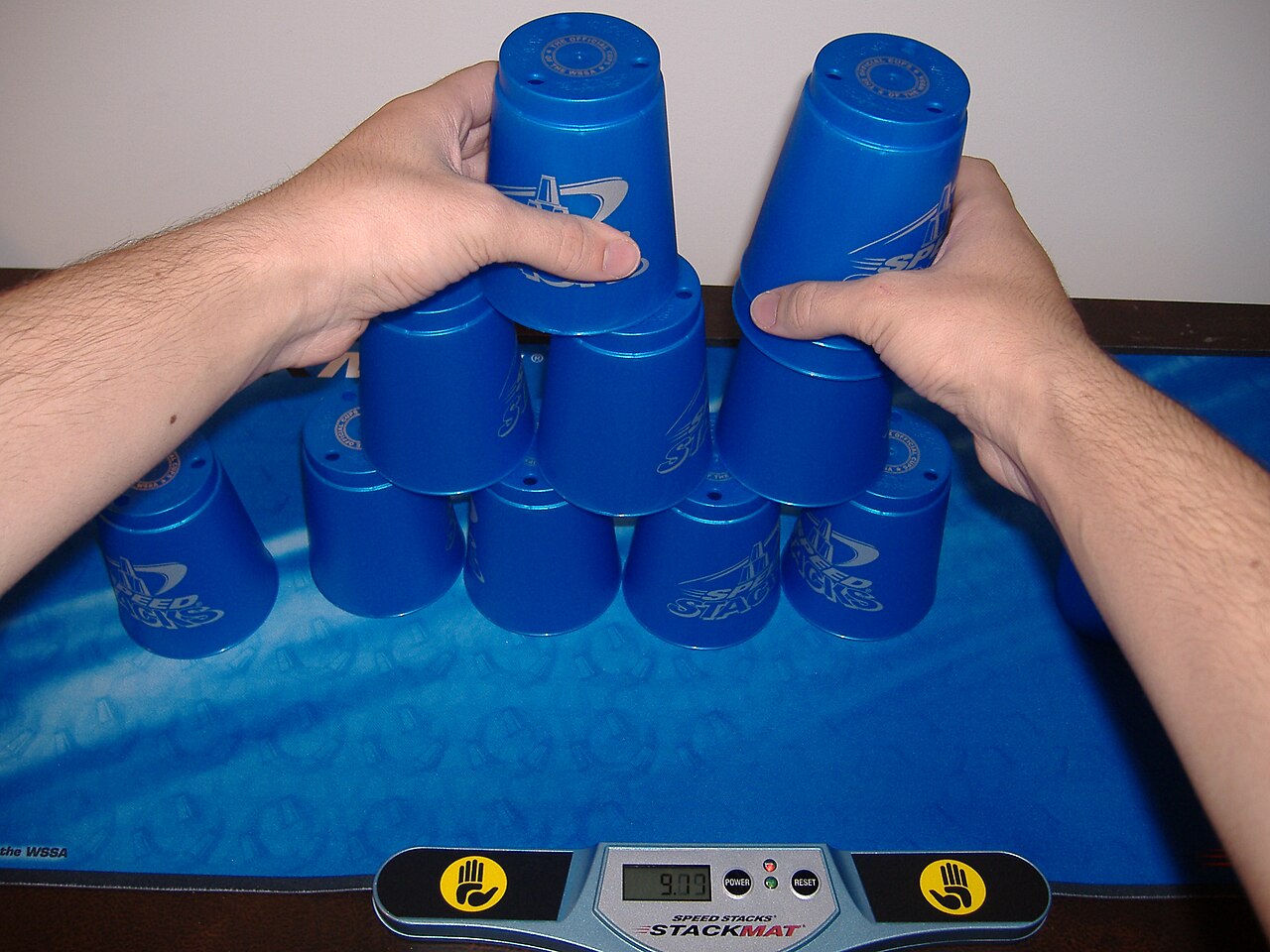
Build and collapse cup pyramids against a sixty-second clock.
Flick a folded paper triangle across a table to score touchdowns through finger goalposts.
Beat your own time building and collapsing cup pyramids — a one-person score chase.
Design a pencil maze for yourself to beat — the challenge doubles when the creator must solve it fast.

One hunter, one list, one countdown — race your own best time around the house or park.

Stack coins into the tallest steady tower you can, then beat your record.
Look for built-in progression. Timed challenges, score-chasing and solvable puzzles all give a reason for one more round; activities with a single answer get old after one success. Games you can handicap – shorter time, further distance – keep pace as skill grows.
Materials decide practicality. Paper-and-pencil puzzles travel anywhere, cup stacking and juggling-style challenges need a clear corner, and quiet options matter when other people share the room.