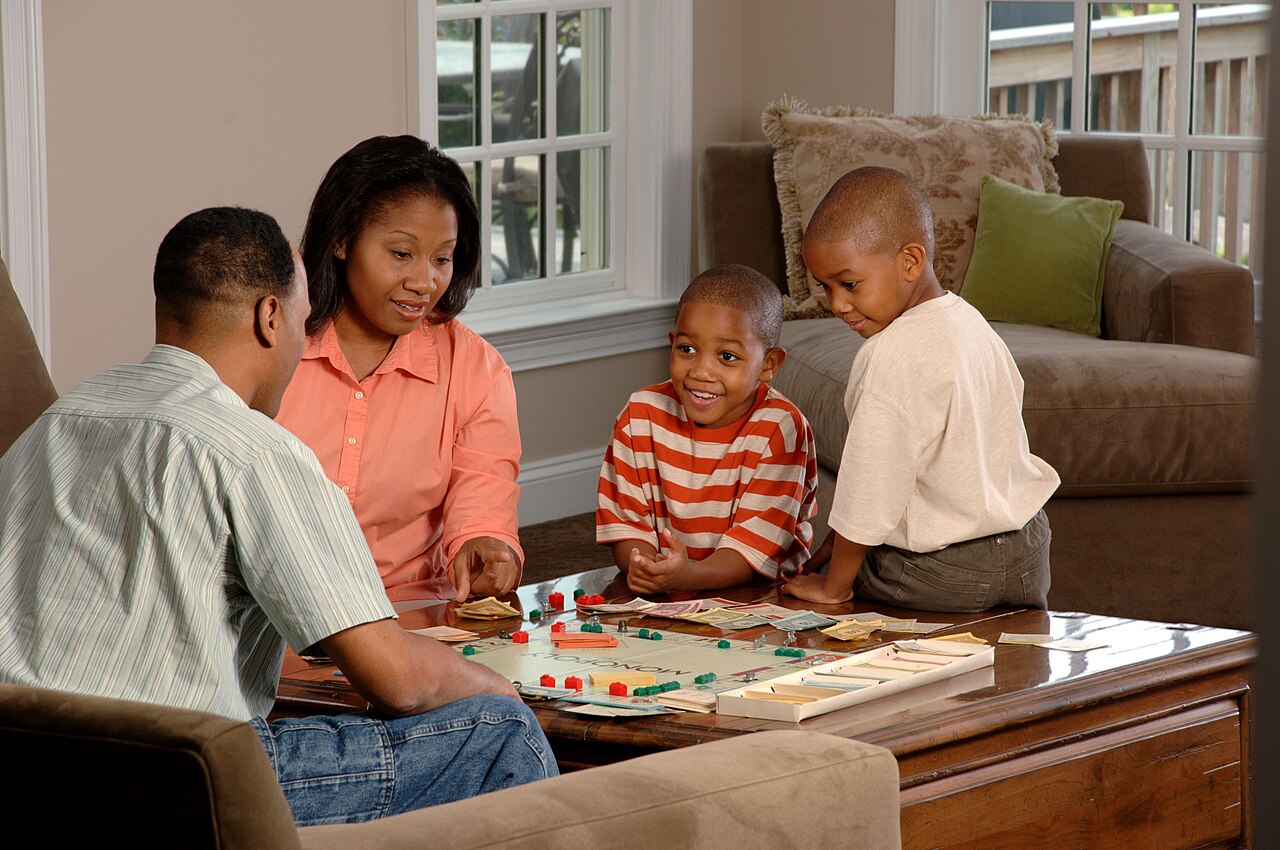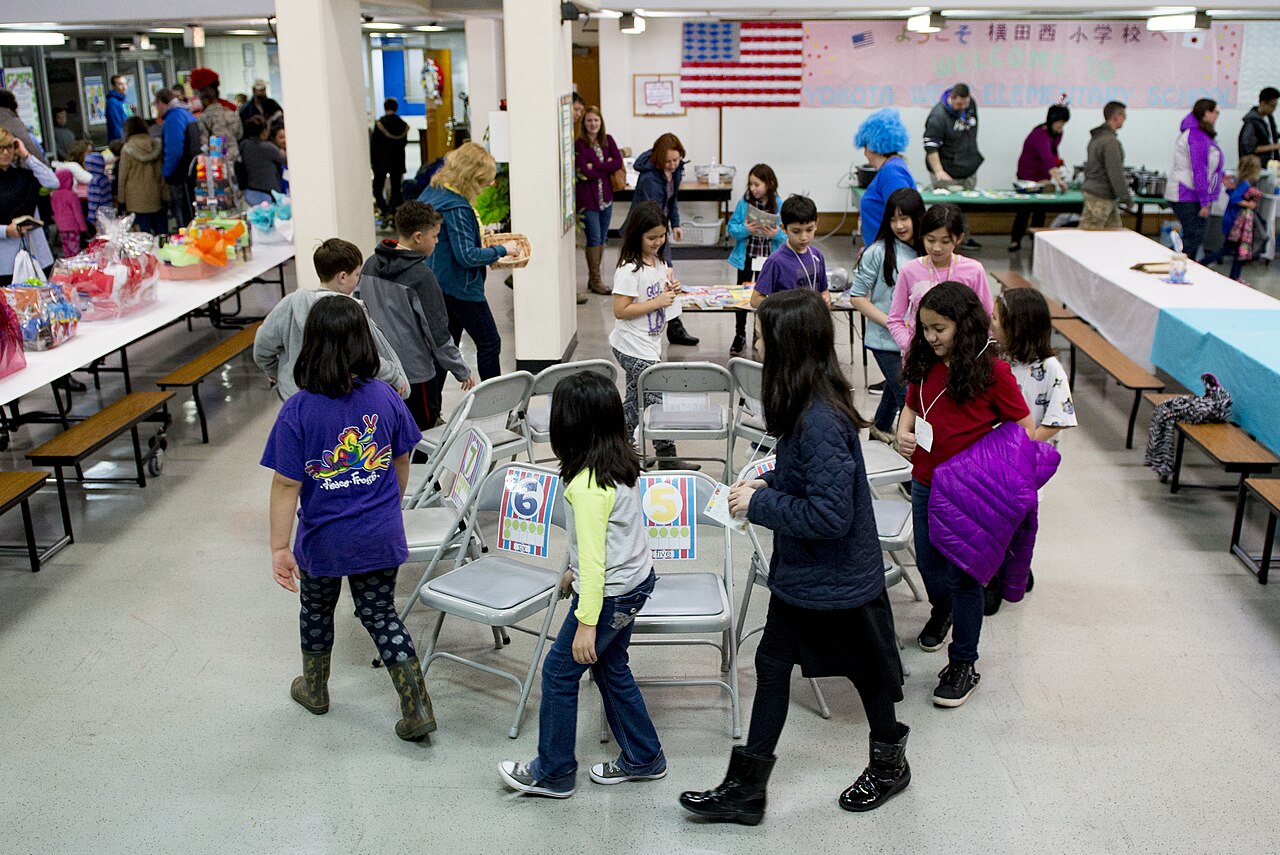
Outdoor games live or die on the ground you have and the group standing on it. A paved patio rewards short, stationary challenges; an open field absorbs running and teams. These 15 options are sorted by space, with surface and weather checks first.
Matching the game to your space
Pace the usable area in strides, note the surface, and check what lies downhill or downwind. Player counts, ages, and setup times below are typical starting points, not fixed rules.
| Space | Fits | Skip |
| --- | --- | --- |
| Patio or driveway | Tossing, chalk courses, circle games | Sprints, wide territory games |
| Small grass yard | Short shuttles, hunts, partner catch | Hard throwing on slick turf |
| Sloped ground | Targets aimed downhill | Tag, blindfolded play |
| Open field | Team chases, base running | Tiny pieces lost in grass |
If rain arrives, move the group to indoor games for rainy days instead of forcing wet-grass running.
Backyard games for small spaces
Each of these fits a few strides of ground and resets fast, which matters when cousins and neighbors rotate in and out. More mixed-generation picks sit in our family game night list.
- Chalk hopscotch circuit. Sketch a numbered hopping course along a driveway; players hop it in order, calling numbers aloud, and restart after a miss. Typically two to six, school-age and up; chalk and a narrow paved strip.
- Shadow freeze tag. The tagger steps on shadows rather than bodies. Frozen players wait until someone crosses their shadow to release them. Mixed ages, sunny grass or pavement; tell runners to watch footing, not just shadows.
- Balloon keep-up circle. A tight circle taps one balloon upward, counting hits before it lands. Roughly two to eight, any age with an adult nearby; collect popped latex immediately, since scraps are a choking hazard.
- Clothespin hunt. Hide ten clothespins, for example, inside agreed boundaries while a keeper calls "warmer" or "colder." Preschoolers manage with supervision; older kids race a timer. Keep small parts away from children who mouth objects.
- Cup tower relay. Two lines carry a stack of paper cups to a marker and back, rebuilding whenever it topples. About four to twelve, school-age up; cups, one marker, a short straight run.
Park and open-field games
Open ground handles teams and distance. Mark boundaries with shirts or shoes, well clear of roads, and see DIY team building games for cooperation-heavy variations.
- Capture the flag. Teams defend a sock "flag" in their half while raiding the other; tagged players sit at a jail spot until a teammate tags them free. Roughly eight to twenty, school-age up; two flags, four markers.
- Sharks and minnows. One or two sharks patrol mid-field as minnows sprint between end lines; anyone caught joins the sharks. About six to twenty on dry grass, with a no-diving, no-tackling rule stated up front.
- Sock-ball kick bases. A tightly rolled sock bundle gets kicked, then the kicker runs bases marked by shoes while fielders retrieve. Around eight to sixteen, mixed ages; the soft ball keeps barehand catches comfortable.
- What's the time? A caller facing away shouts a number; the line advances that many steps and freezes when the caller turns. Movers go back. Six to twenty, preschool-friendly with an adult calling; no materials needed.
- Giant tic-tac-toe relay. Shoes form a three-by-three grid; teammates run out one at a time to place a sock, then reposition pieces once all three are down. Six to twelve; flat, dry ground.
Throwing and target games
Everyone stays behind one throwing line, targets face away from walkways, and these work on a patio or a park sideline. Distances are examples to scale.
| Game | How it plays | Typical players | Materials and space |
| --- | --- | --- | --- |
| Bucket points | Buckets at three distances score rising points for sock or beanbag tosses | 2–6, school-age up | Three tubs, socks, a few strides |
| Tub tower | Stack plastic tubs, throw to topple, restack between rounds | 2–8, mixed ages | Tubs, soft balls; skip cans with sharp edges |
| Rope ring toss | Toss rope loops at a sand-filled bottle stake | 2–6, adult cuts rope | Rope, bottle, sand, short lane |
| Basket catch | Partners toss socks into a laundry basket, stepping back after each catch | 2–4, school-age up | Basket, socks, clear space behind catcher |
| Cardboard windows | Toss through numbered holes cut in a flattened box | 2–8, adult cuts | Box, knife, socks, fence to lean on |
Outdoor safety and weather checks
A quick walk-through prevents most outdoor game problems:
- Scan for glass, holes, sprinkler heads, and ant nests before anyone runs.
- Wet grass is slick: shift throwing to pavement, save chasing for dry ground.
- Wind cancels balloons and paper cups; socks and beanbags stay put.
- Plan shade, water, and breaks before starting — heat builds quietly during relays.
- Adults handle knives, rope cutting, and small pieces, and supervise little ones closely.