Cards are the cheapest game kit most homes already own, and blank rectangles cut from a cereal box work nearly as well as a store deck. These twelve games cover three situations: you have a standard deck, you have a marker and a few minutes, or you need something quiet that keeps kids focused. Player counts and prep times below are typical starting points, not limits.
Why cards make easy DIY games
Cards beat boards for homemade play because nothing needs drawing to scale. A deck is modular: shuffle it and the same pieces make a different game, deal fewer cards and rounds shorten, add a second deck and more people fit. Most rules here fit in one sentence.
Supplies: index cards or a flattened cereal box, a marker that won't bleed through, and scissors. An adult should handle the cutting; round the corners so cards survive. Sweep up offcuts — small scraps are a choking hazard for children under three — and clear mugs off the table before any slapping game. Prefer folding to cutting? Try these paper games.
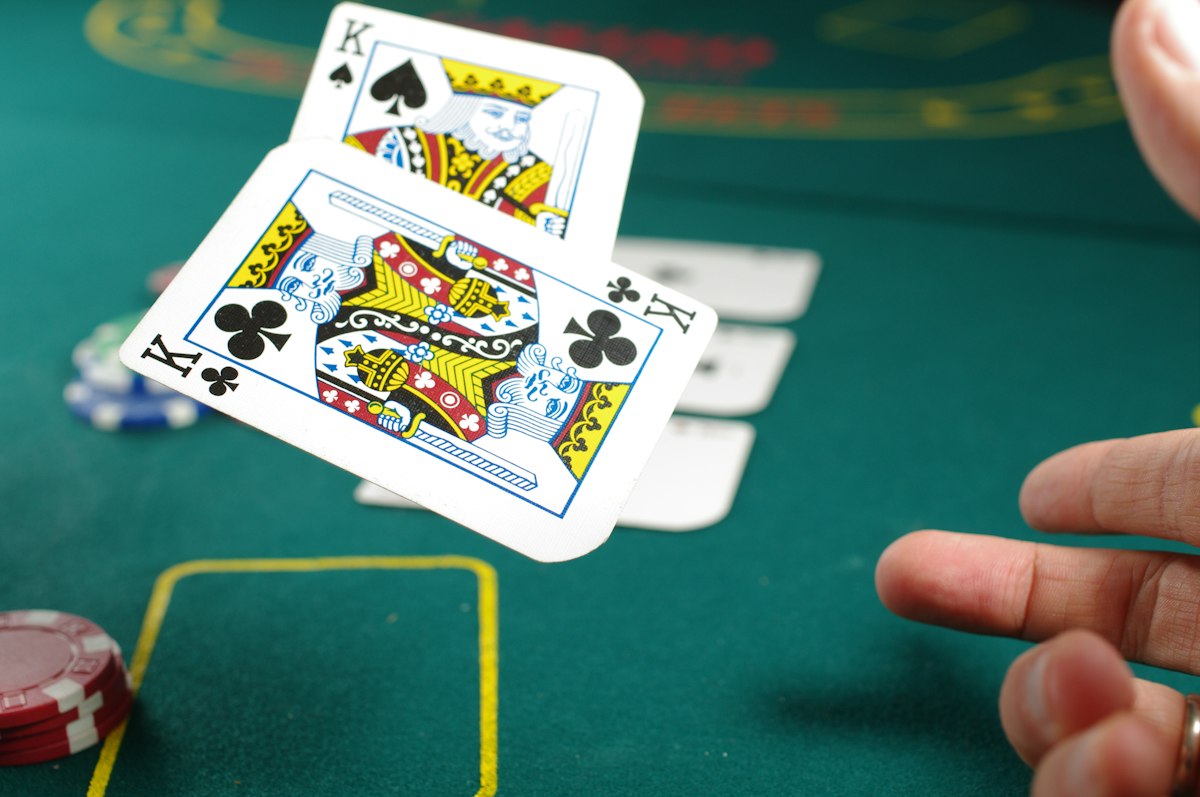
Games with a regular deck
All four play indoors at a table or on the floor, and none need reading fluency beyond recognizing numbers.
| Game | Typical players | Setup | Space | Good for |
| --- | --- | --- | --- | --- |
| Slap Match | 3–6 | about 1 minute | small table or floor circle | mixed ages, fast rounds |
| Ladder Race | 2–4 | 2 minutes | one placemat per player | kids practicing number order |
| Six-Card Golf | 2–4 | 2 minutes | placemat-sized grid each | quiet play, light addition |
| Bluff Call | 4–8 | 1 minute | table with a center pile | confident readers and adults |
- Slap Match: deal the whole deck face down. Players flip one card at a time onto their own pile; when two visible top cards share a rank, the first hand to slap takes both piles.
- Ladder Race: hand each player one suit, ace through ten, shuffled. On “go,” everyone lays their cards in order face up, and the first finished ladder wins the round.
- Six-Card Golf: each player gets six cards in two rows of three, face down, and flips two to start. Draw and swap one card per turn, face up; when someone shows all six, everyone totals their grid (face cards 10, aces 1, for example) and the low score wins.
- Bluff Call: deal the deck out and play by rank, aces first. Players drop one to three cards face down and announce the rank; anyone may challenge, and whoever loses the challenge picks up the pile.
Make-your-own card games
Blank cards let you tune difficulty to the people at your table. Write on one side only and keep the backs identical. Decorate faces with quick sketches if you like — the same idea behind our DIY drawing games.
- Rule Stack. Make roughly 40 cards: four colors numbered 1–8, plus action cards reading “skip,” “reverse,” or “draw two.” Match the top card by color or number and race to empty your hand. Typically 2–5 players, about 15 minutes of writing, any table with room for a discard pile.
- Category Call. Build two piles — letters, and categories such as “fruit,” “something cold,” or “found in this house.” Flip one from each; the first player to name something fitting both takes the pair. Swap letters for pictures and pre-readers can join. Usually 3–8 players, lap-sized space each.
- Recipe Rush. Write six recipe cards listing three ingredients apiece, then a matching ingredient pile. Everyone holds five ingredients, drawing and discarding into a shared market row to complete and claim recipes. Two to four players, kitchen-table space.
- Swap Sets. Draw one of five symbols per card, deal four to everyone, and allow blind one-for-one trades toward four of a kind. No reading required, which helps when adults and beginning readers share a table. Three to six players, floor or table.
Memory and matching card games
These need the least explanation and the most table honesty: no peeking while others look away.
- Pair Grid. Make twelve matching pairs, shuffle them face down into a grid, and flip two per turn; a match is kept and earns another go. Pictures suit pre-readers, words suit readers. Move to the floor once the grid grows.
- Rhyme Pairs. Pair words that rhyme instead of identical images. Players say both words aloud to keep the pair, so it doubles as reading practice for two to four players.
- What's Missing? Lay six to ten cards face up, let everyone study them, then have one player remove a card while the rest close their eyes. First to name it keeps it. Two to six players, almost no setup.
- Growing Chain. The first player flips a card and names it; each next player repeats the whole sequence and adds one. A mistake ends the round. Two to five players, back-seat or picnic-blanket sized — outdoors, use a clipboard so wind doesn't reshuffle the layout.
Balancing luck and skill
A homemade deck is easy to tune when one person keeps winning:
- Deal fewer cards to newer players, or let them start with two cards face up.
- Replace blind draws with a draft: pass a hand of five and let each person pick one.
- Use “draw two, keep one” so a bad shuffle costs less.
- Keep matches short — first to three rounds, for example — and reshuffle between them.
- Pair a strong reader with a beginner as a team and share the score.
Want more decisions and less shuffle? Our DIY strategy games lean that way.