Two is the easiest number to plan for: no teams, no referee, nobody stuck waiting. Every game below works with exactly two people and things already in your house — paper, socks, cups, jar lids.
Picking a game two people will both enjoy
Start with one question: do you both want to compete, or work together? A tired kid paired with a competitive adult usually does better with a shared goal. Then check noise, space and time — a quiet table game, a clear floor for throwing, or a yard for anything balloon-related. If a third person turns up, move to games for three or four players instead of stretching a duel. Stuck waiting alone? A solo game fills the gap.
Head-to-head classics you can make
- Flick basketball. Crumple scrap paper, tape a shooting line, set a mug at the table's far edge. Two players alternate flicks; one point per basket, first to ten as a starting point. Indoors, about a minute of setup, no reading needed. Keep paper wads away from toddlers who mouth objects.
- Sock toss. Roll socks into balls and put a laundry basket a few steps away, with two taped throwing lines. Near line scores one, far line three; ten throws each, typically. Simple enough for pre-readers. Indoor or outdoor on clear floor — and no running on slick tile.
- Number card face-off. Write 1–10 on two matching sets of paper squares, a few minutes of prep. Both flip at once; the higher number takes the pair, ties trigger a second flip. Indoors, table-sized and quiet, useful for teachers practicing number comparison.
- Jar lid shuffleboard. Tape three scoring bands at one end of a long table, then slide lids from the other end, alternating turns. A lid must stay on the table to count. Setup takes a minute, and the low-effort motion suits mixed generations playing together.
- Balloon boundary. String a line between two chairs at shoulder height and defend your side; a balloon landing on your floor gives the other player a point. Needs furniture pushed back, or a calm day outside. Supervise balloons closely — popped pieces are a choking hazard.
- Dot box sprint. Draw a grid of dots, then take turns adding one line between neighbors. Close a square, initial it, go again; most squares wins. Paper and two pencils, so it travels anywhere, and it suits anyone who can count boxes.
Cooperative games for two
- Blind draw. One player sketches a shape behind a book and describes it aloud while the partner draws unseen; questions allowed, peeking isn't. Compare, then swap. Seated indoors with paper and pencils, no setup — a strong pick for pairs practicing descriptive language.
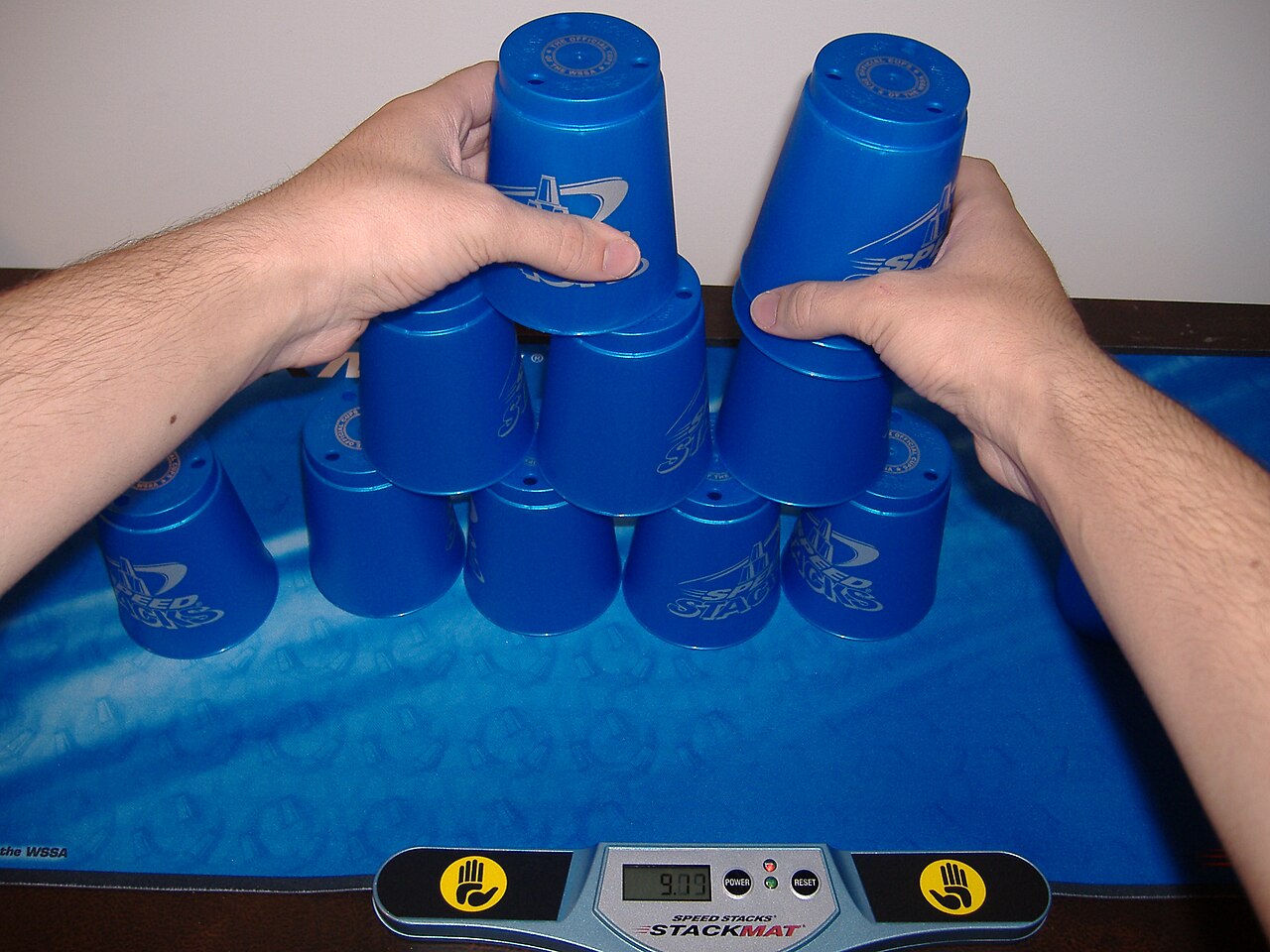
- One-hand cup tower. Build the tallest paper-cup tower you can together, each using one hand only; it must stand unsupported for five seconds, for example. Kitchen cups, a table, indoors. Chase your own record rather than each other, and never climb to add height.
- Five-slip story. Write five random nouns on slips, then tell a story aloud, alternating sentences, until every slip is used. You win together only if the story still makes sense. Nothing needed but paper, it works in a car or waiting room, and adults enjoy it too.
- Cushion maze. Build a short course of cushions, then one player walks it eyes-closed on voice-only directions while the other spots and guides. Swap and compare times. Indoors or on lawn; clear hard corners, stay at walking pace, and skip blindfolds near stairs.
Quick two-player fillers
These typically finish in under 15 minutes with little or no setup — useful while dinner cooks or a call runs long.
| Game | What you need | How a round works |
| --- | --- | --- |
| Paper football | Folded paper triangle, a table | Flick the triangle toward the far edge; overhanging counts as a score. Alternate turns, first to five, typically. |
| Pencil drop | One pencil each, an empty bottle | Stand still, hold a pencil at nose height, release it toward the mouth. Ten drops each; most hits wins. |
| Guess my number | Nothing | One player picks a number from 1–50, the other guesses with higher/lower hints. Swap and compare guess counts. |
| Streak scissors | Nothing | Rock–paper–scissors until someone leads by three, ties replayed. Fast enough for a doorway wait. |
| Mirror hands | Nothing | Face each other; one leads slow hand movements, the other mirrors. Swap after 30 seconds, typically. No winner, just a reset. |
Pencils and folded paper stay out of reach of children who mouth objects, and drop games are played standing still, not chasing rebounds.
Keeping two-player games fair
Agree on the target score and who goes first before anything is thrown, then alternate the opening turn each round. When skill levels differ, handicap the stronger player — non-dominant hand, a longer throw line, fewer guesses — instead of quietly letting them win. Best-of-three keeps a losing streak short and gives the trailing player a clean restart. In cooperative games, swap roles every round so one person isn't always the describer, the spotter or the tower-builder.