
Dots and Boxes
Draw lines between dots to complete squares; the player who claims the most boxes wins.
- Players
- 2
- Ages
- Kids+
- Setting
- Either
- Setup
- Under 5 minutes
Strategy games reward thinking ahead instead of lucky breaks. These are the classics you can build from paper, coins and buttons – alignment games, capture games and positioning puzzles – plus simple formats that teach strategic thinking to new players.

How many players?
What are you planning?
Game type
Where will you play?
Who will be playing?
Setup time
Materials
Play style
8 games match your picks
Draw lines between dots to complete squares; the player who claims the most boxes wins.
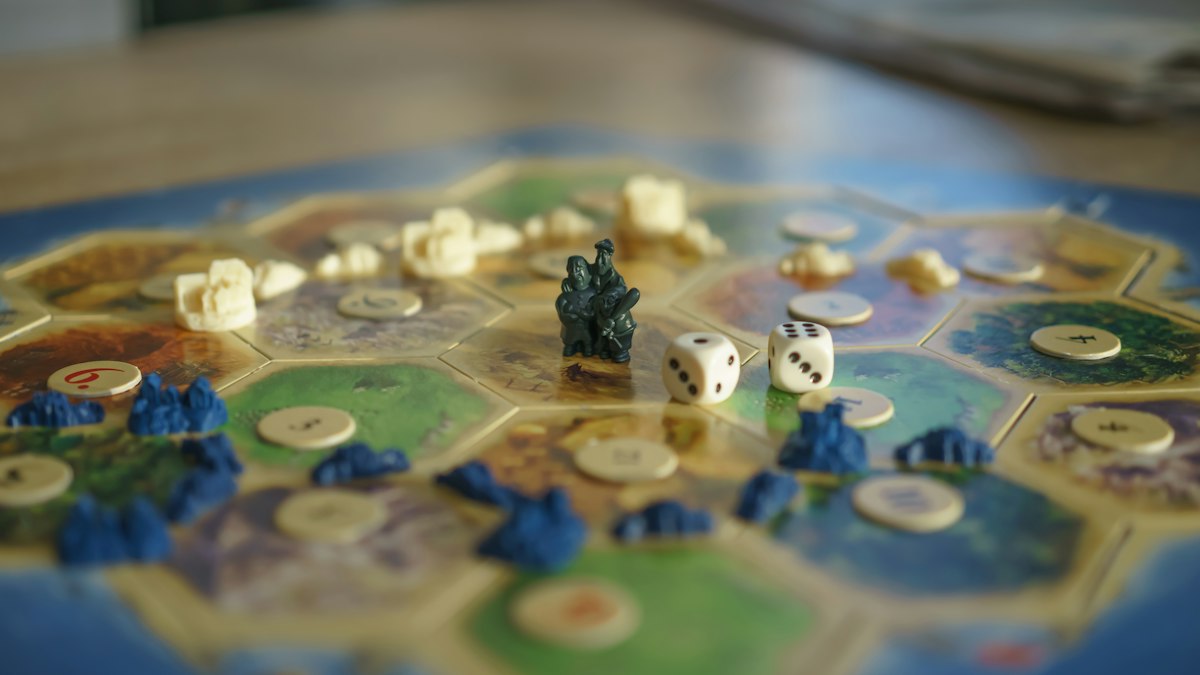
An egg carton and dried beans become the classic sow-and-capture counting game.
Stack coins into the tallest steady tower you can, then beat your record.
A hand-drawn 8×8 board and two colors of bottle caps or buttons — draughts from the junk drawer.
Remove one to three coins per turn from rows; whoever takes the last coin loses.
The ancient alignment game: form mills of three to capture your opponent’s pieces.
Two hand-drawn grids, hidden fleets and coordinate guesses until one fleet sinks.

Share three statements about yourself; the group votes on which one is the lie.
Draw lines between dots to complete squares; the player who claims the most boxes wins.
The ancient alignment game: form mills of three to capture your opponent’s pieces.
Remove one to three coins per turn from rows; whoever takes the last coin loses.
Two hand-drawn grids, hidden fleets and coordinate guesses until one fleet sinks.
In a strategy game, choices matter more than chance: you plan moves, read your opponent and live with your decisions. Pure-luck games have their place, but players who like control prefer games where a better plan genuinely wins.
Introduce strategy gradually. Start new players on small boards and short games (dots and boxes, nim), where a game lasts minutes and the lesson is visible, before longer grid games that punish early mistakes.